Ghantoot
A coastal destination where Abu Dhabi and Dubai meet through a new generation of waterfront communities.
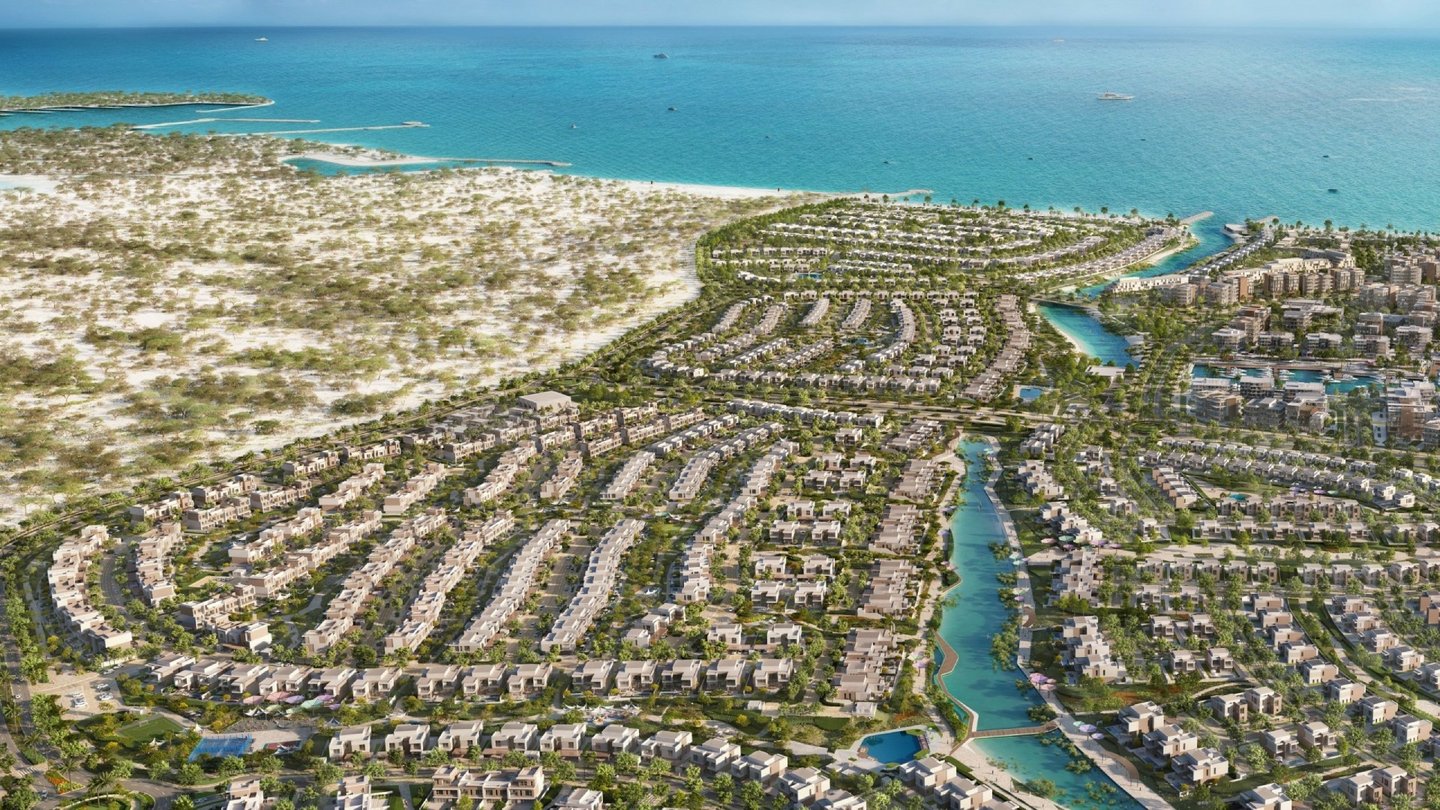
Positioned almost exactly halfway between Abu Dhabi and Dubai, Ghantoot has long occupied a unique place on the UAE coastline. Traditionally known for its beaches, polo clubs and weekend retreats, the area is now emerging as one of the country's most ambitious luxury development corridors.
Unlike established residential destinations, Ghantoot remains largely undeveloped, allowing a new generation of master-planned communities to define its future identity from the ground up. Waterfront living, low-density masterplans and wellness-focused developments are increasingly replacing the traditional image of Ghantoot as simply a stop between two cities. Today, it is evolving into one of the UAE's most closely watched luxury off-plan markets.
Location Map
Ghantoot occupies one of the UAE's most strategic locations, directly between Abu Dhabi and Dubai along Sheikh Zayed Road (E11). Residents benefit from genuine access to both emirates, while remaining removed from the density and pace of city living.
Closest transport
- Direct access to Sheikh Zayed Road (E11), connecting Abu Dhabi and Dubai.
- Approximately 35-40 minutes from both Zayed International Airport and Dubai International Airport.
Closest schools
- Delhi Private School Dubai
- The Winchester School
Closest hospitals
- NMC Royal Hospital DIP
- Saudi German Hospital Dubai
The Neighbours
Ghantoot is likely to attract a resident profile unlike any other community in the UAE. Entrepreneurs, business owners and senior executives who divide their time between Abu Dhabi and Dubai are expected to form a significant proportion of residents, alongside international buyers seeking second homes on the coast.
The area's emerging developments also appeal to buyers moving from established luxury communities such as Palm Jumeirah, Jumeirah Bay Island or Saadiyat Island in search of larger homes, more privacy and lower density.
Unlike Yas Island or Al Reem Island, residents here are likely to prioritise space, exclusivity and lifestyle over proximity to offices or city centres.
What to Expect
Life in Ghantoot is expected to revolve around the coast. Beaches, marinas, wellness destinations and landscaped waterfronts are becoming the defining features of the area's new masterplans, creating a lifestyle that feels closer to Mediterranean resort communities than traditional Gulf suburbs.
The location itself remains one of the area's greatest advantages. Few communities in the UAE allow residents to reach both Downtown Dubai and Downtown Abu Dhabi within approximately forty minutes, creating a level of flexibility that is particularly attractive to business owners and professionals operating across both emirates.
Unlike many emerging communities built around density and high-rise living, Ghantoot is moving firmly in the opposite direction. Large villa plots, private beaches and generous green spaces dominate the current pipeline of developments, reflecting growing demand for privacy and outdoor living.
The area is also increasingly becoming a wellness destination. Hospitality, healthcare and longevity-focused projects are beginning to establish a new identity for Ghantoot that extends beyond residential real estate alone.
Perhaps more than any other emerging destination in the UAE, Ghantoot represents a blank canvas. The communities being built today will largely determine how the area is perceived over the coming decades.
What Not to Expect
Ghantoot is not designed for buyers seeking established infrastructure, walkable retail districts or immediate urban convenience. Much of the area remains under development and daily life will continue to depend heavily on the car for the foreseeable future. Its appeal lies in future potential, privacy and waterfront living rather than mature community amenities.
Architecture
Architecture in Ghantoot is being defined almost entirely by a new generation of large-scale master developments, many of which focus on low-density luxury living and direct access to the sea.
The residential offering is expected to be dominated by villas, mansions, branded residences and waterfront apartments, with contemporary coastal architecture emerging as the prevailing design language. Large terraces, floor-to-ceiling glazing and strong connections to outdoor spaces are recurring themes across many of the planned communities.
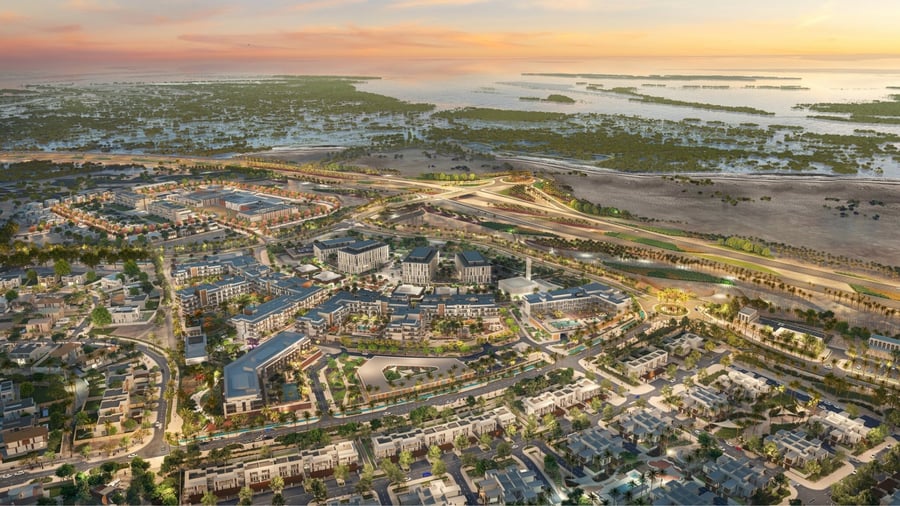
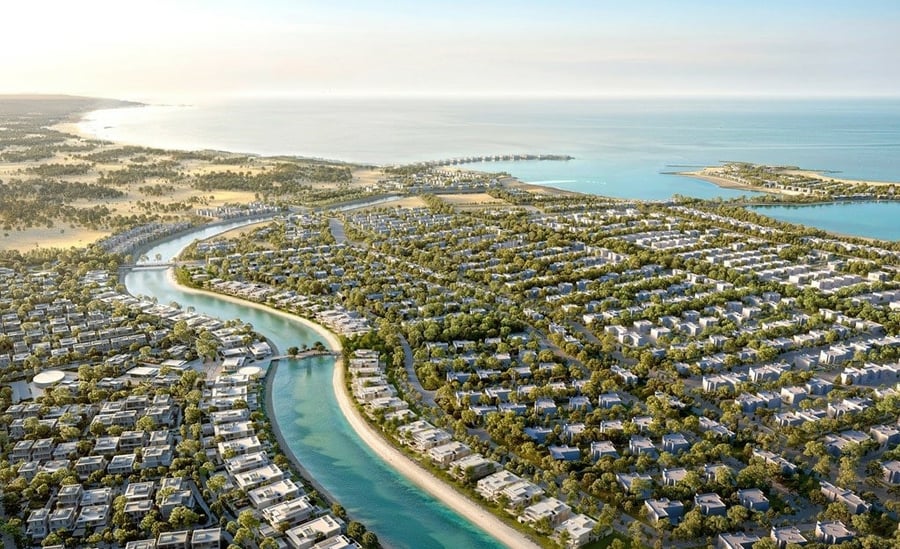
The most significant development is Bayn by ORA, a 4.8 million square metre masterplan developed by ORA that will introduce approximately 9,000 residences, including villas, townhouses, apartments and mansions. The community will feature beaches, lagoons, marinas and a business district, effectively creating an entirely new coastal city between Abu Dhabi and Dubai. More than half of the development is dedicated to open space and landscaping.
Ghantoot is also home to the forthcoming SHA Emirates Island, which will introduce branded residences centred around wellness, preventative healthcare and longevity, building on the success of the internationally recognised SHA model. This is expected to become one of the UAE's most significant branded wellness residential projects.
Other notable developments shaping the area's future include Ohana by the Sea and Ohana Sea Front Mansions, both reinforcing Ghantoot's positioning towards the upper end of the market.
More than any other location between Abu Dhabi and Dubai, Ghantoot is evolving into a destination defined not by a single project but by an entirely new category of luxury coastal living.