This site is protected by reCAPTCHA and the Google Privacy Policy and Terms of Service apply.
Al Jurf
A coastal retreat shaped by nature, privacy and contemporary living.
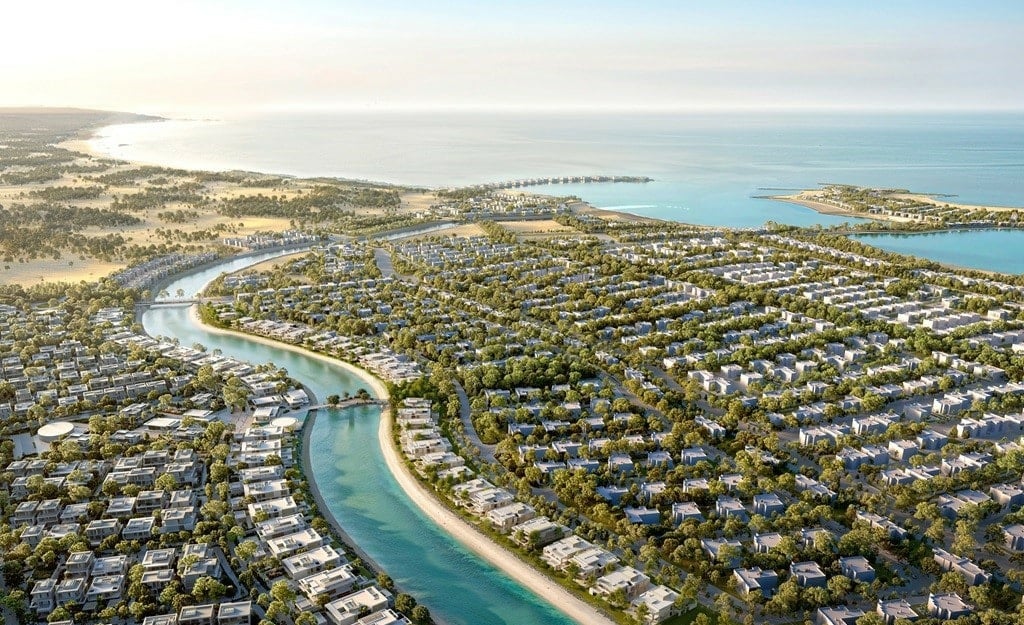
Set along the coastline between Abu Dhabi and Dubai, Al Jurf occupies a unique position within the UAE's residential landscape. Rather than embracing density or urban convenience, the masterplan has been shaped around preservation, nature and a slower pace of life.
Developed by IMKAN, Al Jurf draws inspiration from the region's coastal heritage, combining beaches, gardens and nature reserves with contemporary homes designed to sit within the landscape rather than dominate it. Positioned roughly halfway between the UAE's two largest cities, the community offers an alternative to city-centre living, appealing to buyers seeking privacy, space and a closer relationship with nature.
Location Map
Al Jurf is located in Ghantoot, approximately midway between Abu Dhabi and Dubai along Sheikh Maktoum Bin Rashid Road (E11). Both city centres can typically be reached within 45 to 60 minutes, making it one of the few communities in the UAE that offers genuine access to both emirates while maintaining a sense of seclusion.
Closest transport
- Direct access to Sheikh Maktoum Bin Rashid Road (E11).
- Approximately 45 minutes from both Zayed International Airport and Dubai International Airport.
Closest schools
- The private school planned within the Al Jurf masterplan.
- Ghantoot Racing & Polo Club Academy educational facilities and schools in nearby Ghantoot and Dubai South communities are within driving distance.
Closest hospitals
- Al Rahba Hospital
- NMC Royal Hospital Khalifa City
The Neighbours
Al Jurf is likely to attract a very different resident profile from Abu Dhabi's urban islands and high-rise districts. Entrepreneurs, business owners and international buyers seeking second homes are expected to form a significant part of the community, alongside families looking for larger homes and greater privacy.
The lifestyle is likely to appeal particularly to residents who divide their time between Abu Dhabi and Dubai, as well as buyers moving from beachfront communities in search of more space and lower density. Wellness, nature and outdoor living are expected to become defining characteristics of the resident community.
Unlike many waterfront developments in the UAE, Al Jurf feels less like a resort destination and more like a private coastal sanctuary.
What to Expect
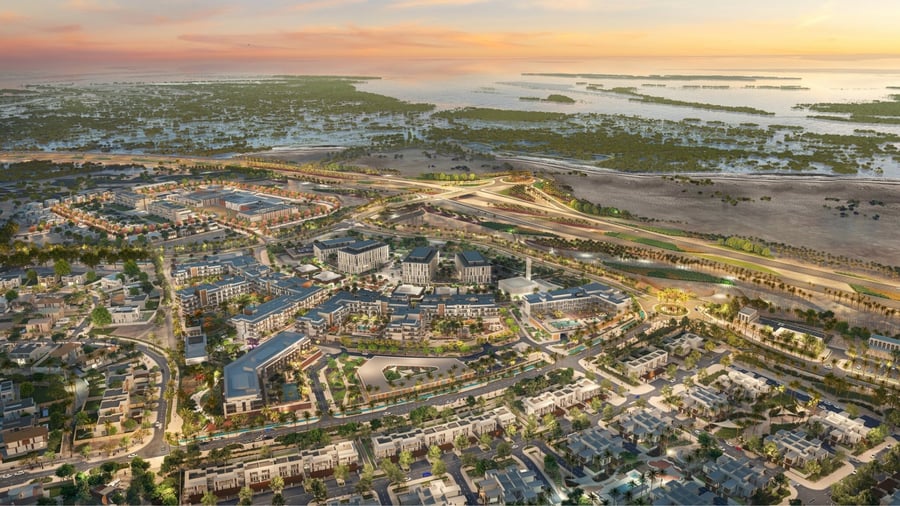
Life in Al Jurf revolves around landscape rather than infrastructure. Beaches, gardens, canals and preserved natural habitats form the backbone of the masterplan, creating an environment that feels markedly different from the urban skylines of Abu Dhabi and Dubai.
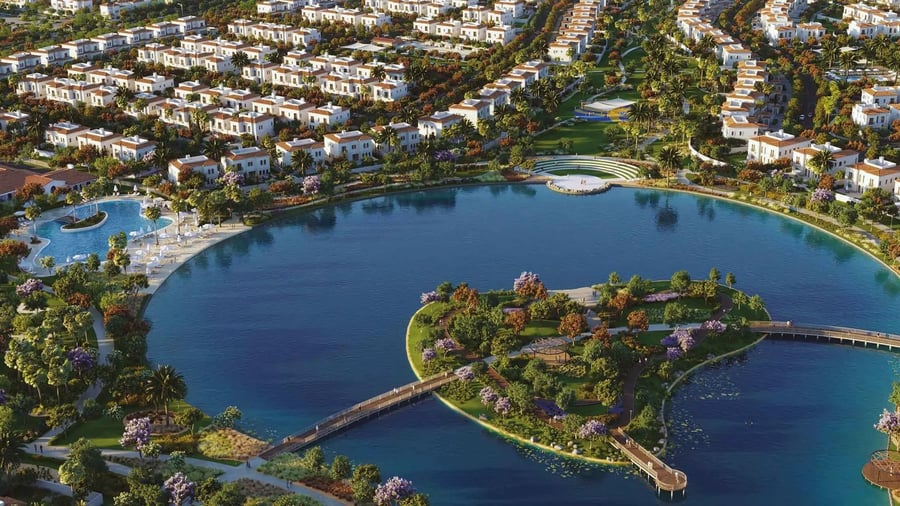
The development has been designed around the idea of coexistence between nature and contemporary living. Residential neighbourhoods are arranged within gardens and green corridors, while large portions of the site remain dedicated to native vegetation and ecological preservation. The result is a community where open space becomes one of the primary luxuries.
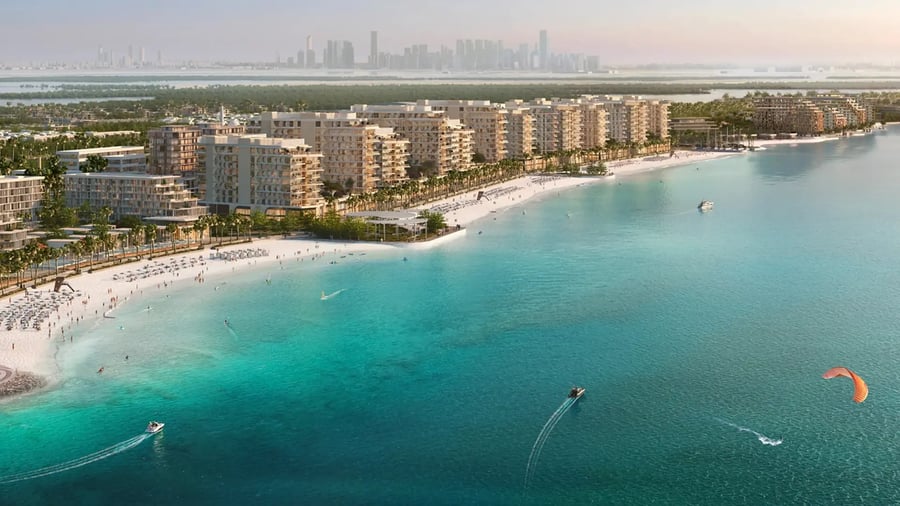
Water plays a central role in the identity of the destination. Private beaches, marinas and canals are integrated throughout the masterplan, creating more than eight kilometres of waterfront living. For many residents, access to the sea is likely to become part of daily life rather than an occasional luxury.
Wellness is equally important to the vision. Boutique hospitality, wellness retreats and leisure facilities have been incorporated into the development from the outset, reflecting a growing demand for lifestyle-led communities that prioritise wellbeing alongside architecture and design.
Perhaps the most distinctive aspect of Al Jurf is its sense of separation. Despite being positioned directly between Abu Dhabi and Dubai, the community feels intentionally removed from both, creating an atmosphere that is closer to a private nature reserve than a traditional suburban development.
What Not to Expect
Al Jurf is not designed for buyers seeking urban convenience or immediate access to schools, offices and retail centres. The appeal lies in privacy, landscape and exclusivity rather than connectivity, and residents should expect a lifestyle that is more dependent on the car than communities closer to Abu Dhabi city centre or Dubai Marina.
Architecture
Architecture in Al Jurf has been conceived as an extension of the landscape rather than a contrast to it. The masterplan favours low-density development, generous plots and buildings that integrate with gardens, coastlines and natural habitats.
The residential offering is centred around villas, courtyard homes and waterfront residences, many of which reinterpret traditional regional architecture through a contemporary lens. Private gardens, internal courtyards and shaded outdoor spaces feature prominently throughout the designs, reflecting both climatic considerations and local architectural heritage.
Architecturally, the community sits somewhere between Mediterranean coastal design and contemporary Arabian architecture. Natural materials, soft palettes and understated forms dominate, creating homes that feel timeless rather than trend-driven.
More than any other community in Abu Dhabi, Al Jurf appears to have been designed around the idea that luxury comes from space, landscape and tranquillity rather than scale or spectacle. That philosophy is likely to become its defining characteristic as the development matures.
Browse properties in Al Jurf
Al Jurf
Jacob & Co. Beachfront Living- Apartment
- 2 beds
- 2,206 sq. ft.
7
Views
1
Followers
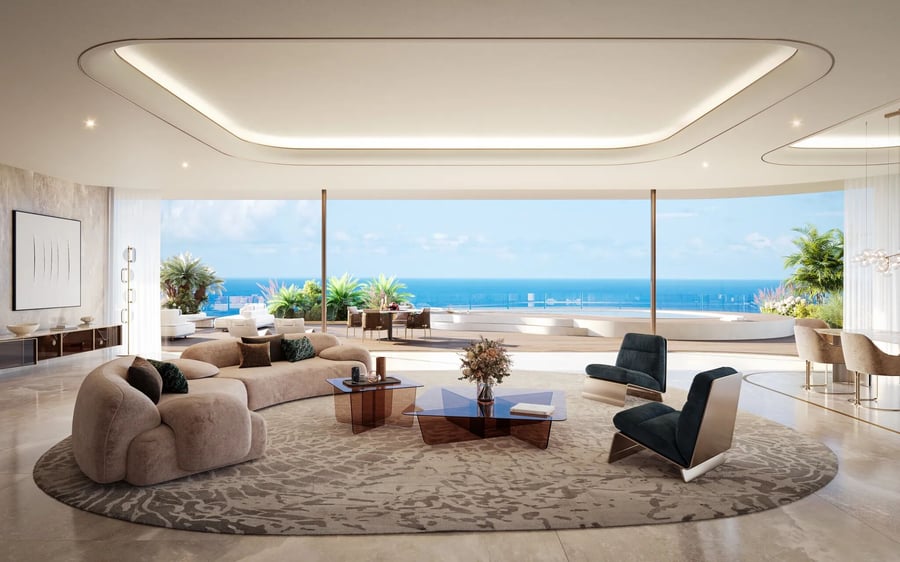


2-bedroom beachfront apartment in Jacob&CO Beachfront Living
This apartment is being developed under the Jacob&Co. Beachfront Living by OHANA development. Hosting 2-bedrooms and 2-bathrooms, this home...
Al Jurf
Jacob & Co. Beachfront Living- Villa
- 4 beds
- 3,552 sq. ft.
13
Views
1
Followers
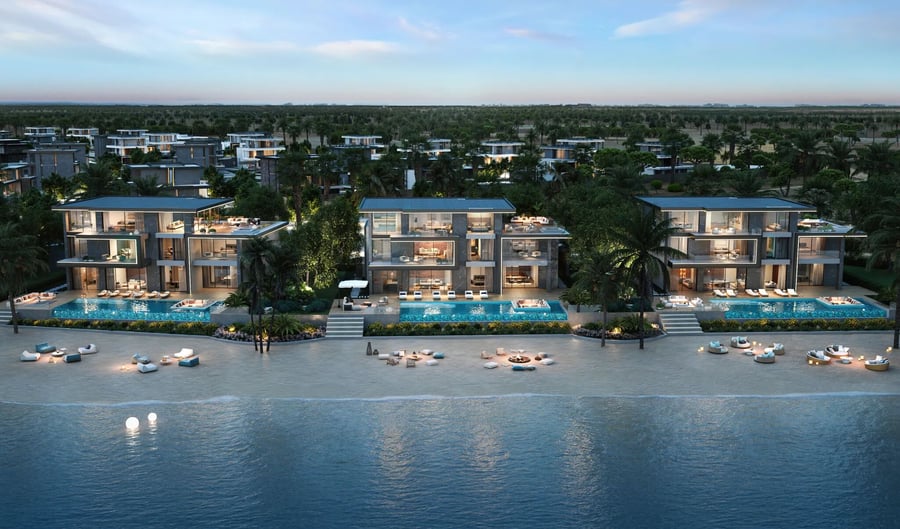


4-bedroom beachfront villa in Jacob&CO Beachfront Living
This villa is being developed under the Ohana development by Jacob&Co.and enjoys a great positioning by the beachfront. Hosting 4-bedrooms and...