Zayed City
A fast-growing residential district defined by community living, green spaces and long-term growth.
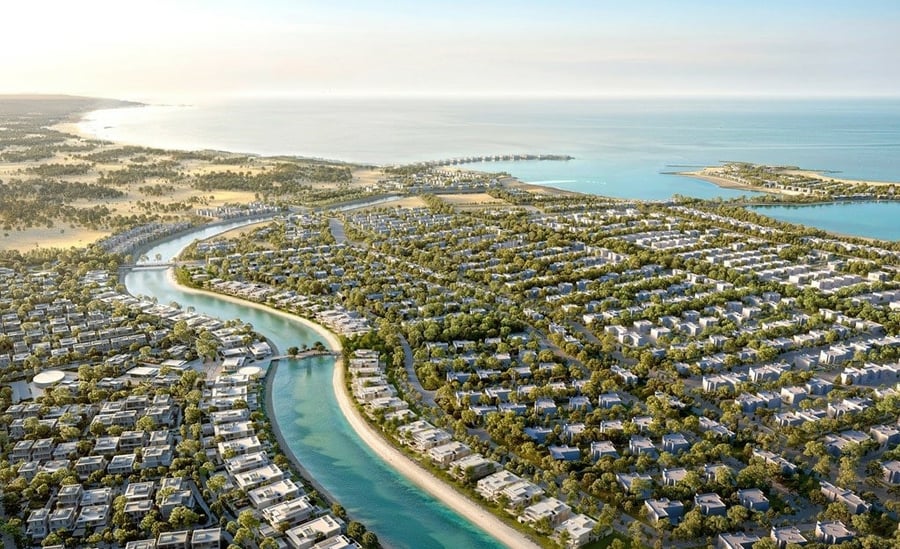
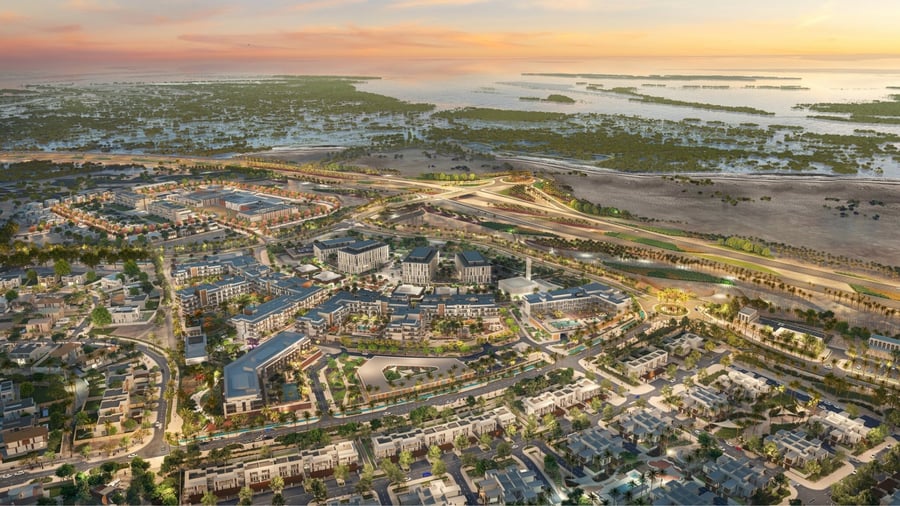
Conceived as one of Abu Dhabi's major long-term growth corridors, Zayed City is rapidly emerging as a new centre for residential living in the capital. Planned around wide boulevards, parks and community infrastructure, the district is designed to accommodate the next generation of Abu Dhabi's residents while offering a more suburban alternative to the city's island communities.
Located between central Abu Dhabi and Zayed International Airport, Zayed City combines accessibility with scale. Large master-planned communities, international schools and extensive green spaces are gradually transforming the area into one of the emirate's most important off-plan destinations. While it lacks the beaches of Saadiyat or the marinas of Yas Island, Zayed City is increasingly becoming Abu Dhabi's answer to communities such as Dubai Hills Estate and Arabian Ranches.
Location Map
Zayed City occupies a central position within mainland Abu Dhabi, providing direct access to both the city centre and Zayed International Airport via the E20 and E30 highways. Yas Island, Al Raha Beach and Masdar City are all within a short drive, while Dubai remains comfortably accessible for regular commuters.
Closest transport
- Direct access to Sheikh Maktoum Bin Rashid Road (E11) and Sweihan Road (E20).
- Zayed International Airport is approximately 15 to 20 minutes away.
Closest schools
- Brighton College Abu Dhabi
- GEMS American Academy Abu Dhabi
Closest hospitals
- Burjeel Medical City
- Sheikh Shakhbout Medical City
The Neighbours
Zayed City is attracting a noticeably different demographic from Abu Dhabi's waterfront communities. Families form the core of the resident population, drawn by larger homes, schools and community facilities rather than beaches or entertainment districts.
Government employees, business owners and professionals working across Abu Dhabi are particularly well represented thanks to the area's central location and excellent road connectivity. The district is also becoming increasingly popular with younger families moving from apartments in central Abu Dhabi to larger homes with private outdoor space.
Compared with Al Maryah Island or Al Reem Island, residents here tend to prioritise community living, schools and long-term family lifestyle over urban convenience and walkability.
What to Expect
Life in Zayed City revolves around neighbourhood living. Schools, parks, sports facilities and community centres are intended to sit at the heart of daily life, creating an environment that feels noticeably more suburban than Abu Dhabi's coastal districts.
Unlike many of the emirate's established communities, Zayed City has the advantage of being planned as a complete district from the outset. Roads, green spaces and infrastructure have been designed to support long-term population growth rather than retrofitted around existing development. The result is a neighbourhood with a sense of scale rarely found in more mature areas of the capital.
The area is increasingly becoming one of Abu Dhabi's most important destinations for family housing. Villas and townhouses dominate much of the residential offering, while schools and healthcare facilities continue to expand alongside new communities.
Connectivity remains one of the district's strongest advantages. Residents can reach the airport, Yas Island and central Abu Dhabi within twenty minutes, while Dubai remains accessible in approximately an hour. For many buyers, this balance between accessibility and space is one of the area's most compelling characteristics.
From an investment perspective, Zayed City is arguably one of Abu Dhabi's most important off-plan growth stories. Significant government investment and large-scale master developments are positioning the district to become one of the capital's largest residential hubs over the coming decade.
What Not to Expect
Zayed City is not designed for buyers seeking waterfront living, nightlife or established urban districts. Much of the area remains under development, and the appeal lies in future growth, family living and larger homes rather than immediate lifestyle amenities or prestige addresses.
Architecture
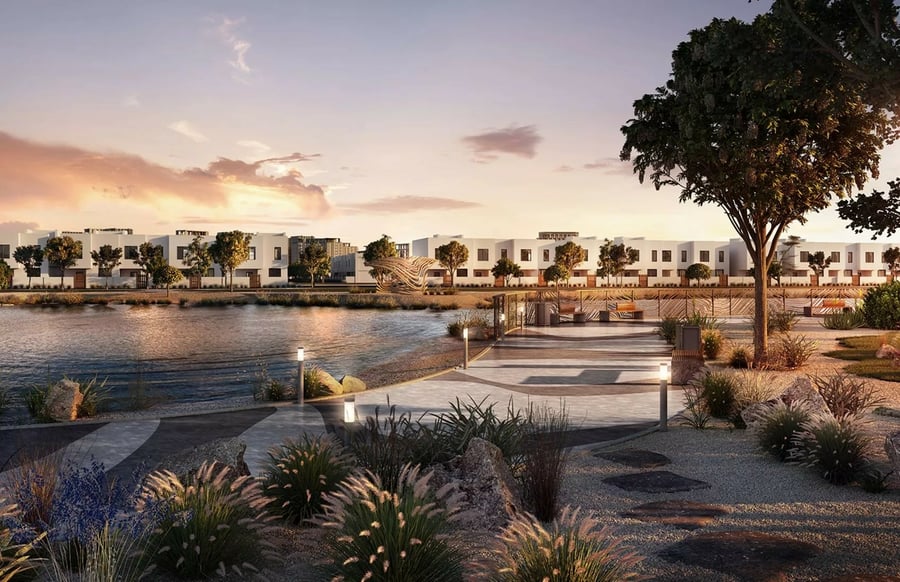
Architecture in Zayed City is defined primarily by villas, townhouses and low-rise residential communities rather than towers or waterfront apartments. Streets are wider, plots are larger and neighbourhood layouts prioritise parks and open spaces over density.
The architectural language varies between developments but generally follows contemporary Mediterranean and modern Arabian influences, with clean façades, generous glazing and strong connections to outdoor spaces. Family-oriented layouts, private gardens and community parks are recurring themes throughout the district.
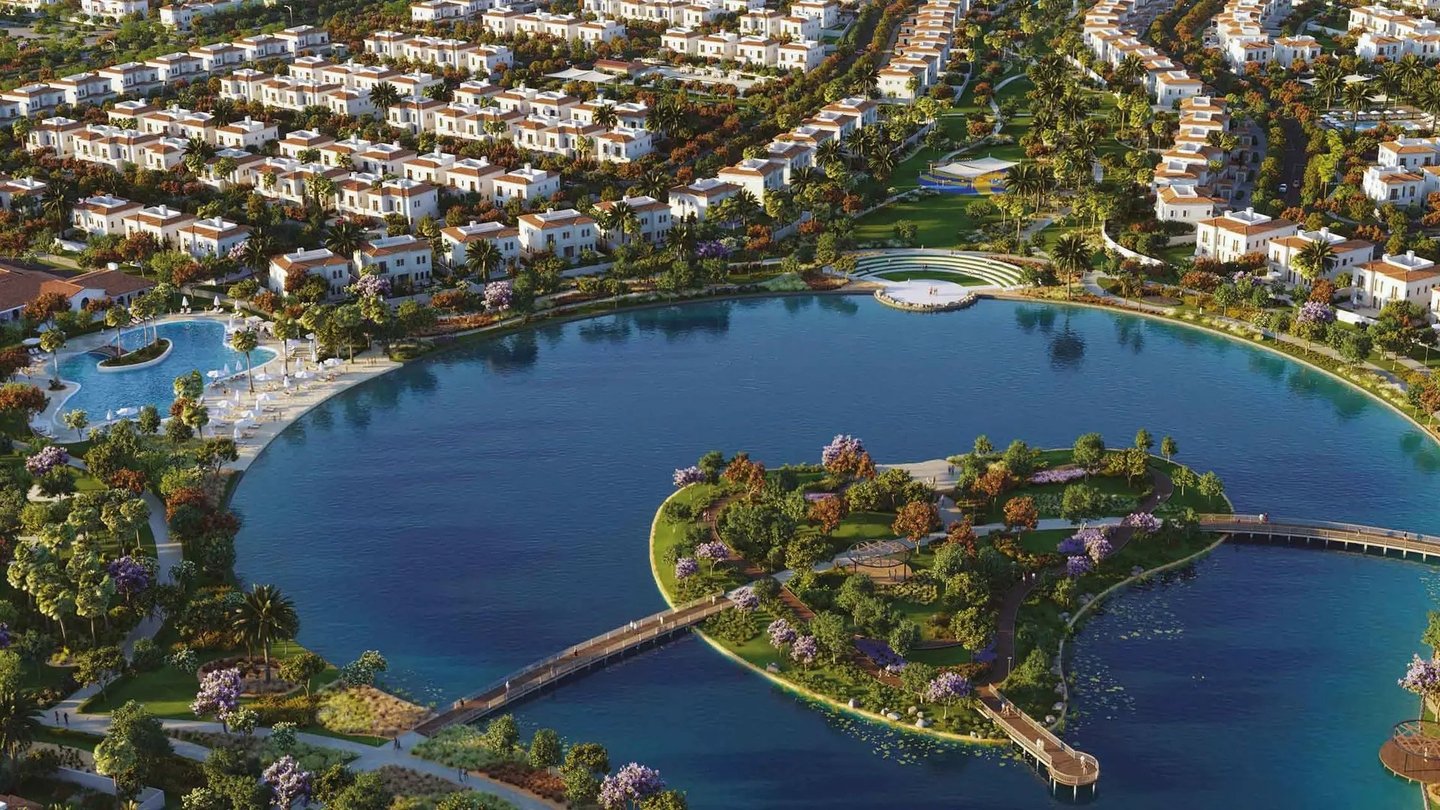
As one of Abu Dhabi's most active development corridors, several projects are already shaping the area's identity. The largest and most influential is Bloom Living, a master-planned community inspired by Mediterranean towns and centred around a large lake and town centre. Within Bloom Living, neighbourhoods such as Cordoba, Toledo, Casares, Seville, Granada and Carmona are gradually creating one of Abu Dhabi's most complete residential ecosystems.
Beyond Bloom Living, additional residential and institutional developments are expected to transform Zayed City into one of Abu Dhabi's defining communities over the next decade. More than any other emerging district in the emirate, the area's appeal lies in its scale and its long-term potential rather than what exists today.