
FAQs about Coworking Communities
-
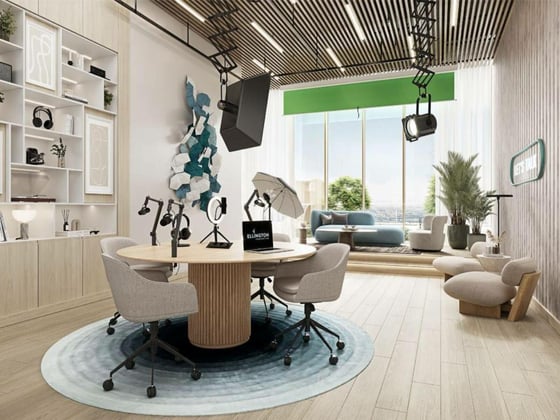
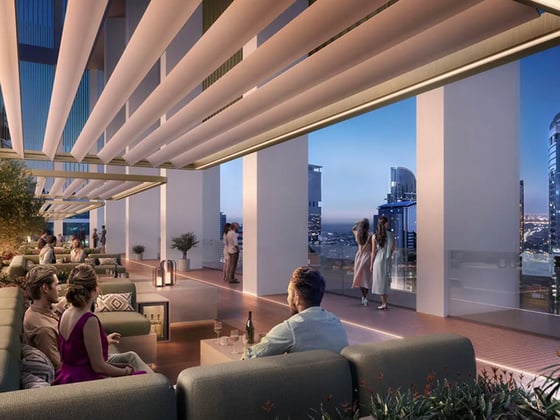
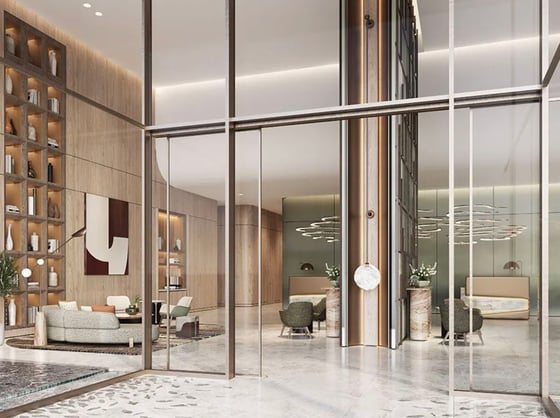
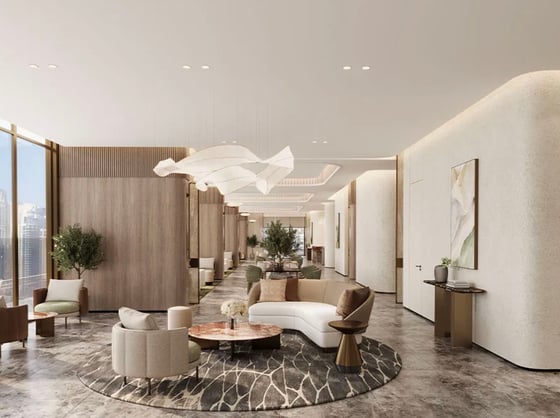
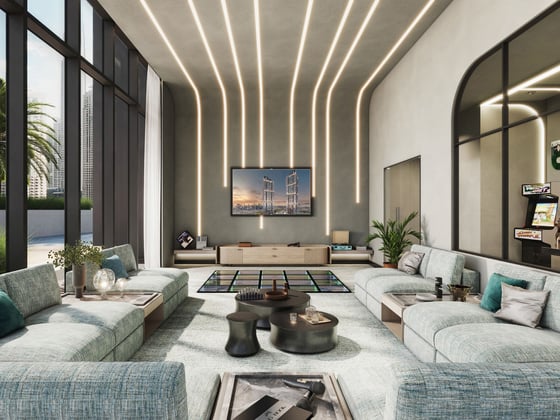
Coworking communities are residential developments that integrate shared workspaces within the building or masterplan, allowing residents to work, network, and collaborate without leaving home. These spaces typically include high-speed internet, meeting rooms, and flexible work areas.
-
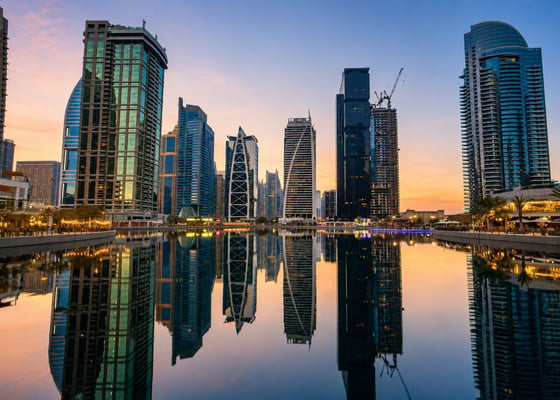
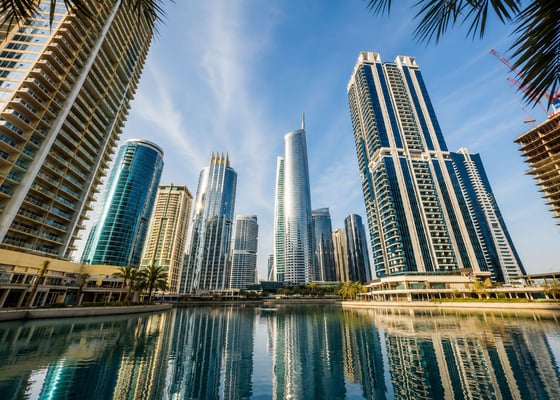
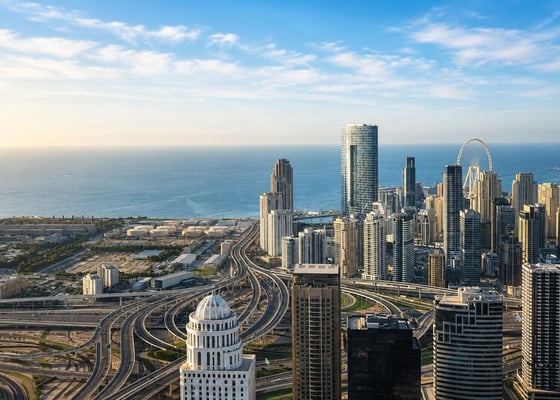
Key locations include Dubai Internet City, Jumeirah Lake Towers, Business Bay, and Barsha Heights—all established business hubs with a high concentration of coworking spaces and remote-working residents.
-
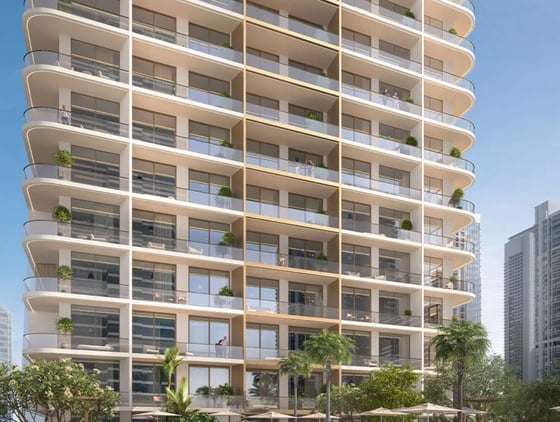
Most options are apartments and serviced residences, often within mixed-use towers or lifestyle developments. Some projects also include coliving concepts, where shared amenities such as coworking lounges, gyms, and social areas are integrated into the residential experience.
-
Yes—these properties appeal strongly to entrepreneurs, freelancers, and remote workers, a fast-growing segment in Dubai. This creates consistent rental demand, particularly in centrally located districts like Business Bay and JLT.
-
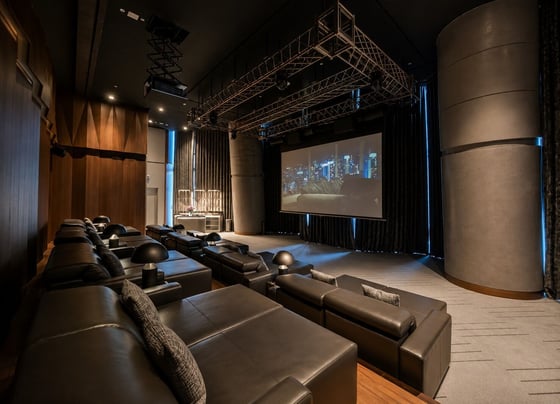
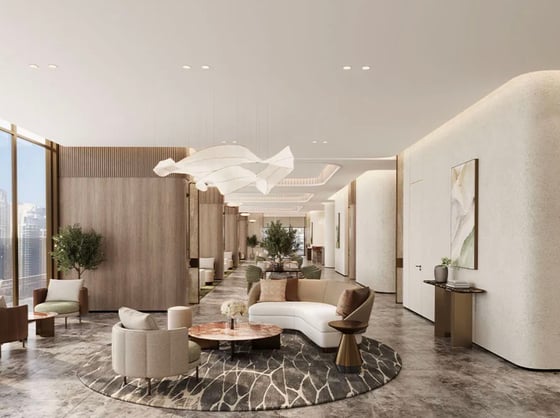
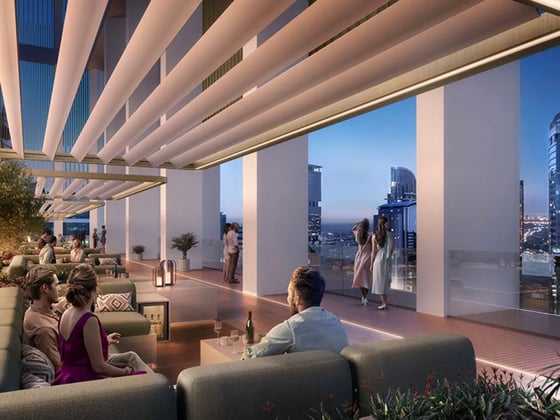
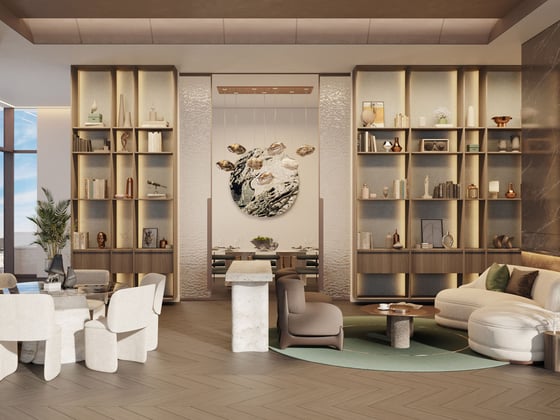
Beyond standard residential facilities, these developments include dedicated coworking lounges, meeting rooms, business centres, event spaces, and networking areas, often complemented by cafés, gyms, and wellness facilities.
-
Unlike standard buildings, coworking communities are designed for live-work integration, offering built-in workspaces and a stronger focus on community interaction, collaboration, and flexibility, rather than just residential living.
-
Yes—Dubai’s coworking ecosystem is well-developed, with hundreds of coworking spaces across key districts, making these communities particularly attractive for digital nomads, startup founders, and remote professionals.
-
Many developments and concepts (especially coliving-style projects) provide flexible lease terms, furnished units, and shared amenities, aligning with the needs of short- to medium-term residents.