Masdar City
A future-focused community built around sustainability, innovation and connectivity.
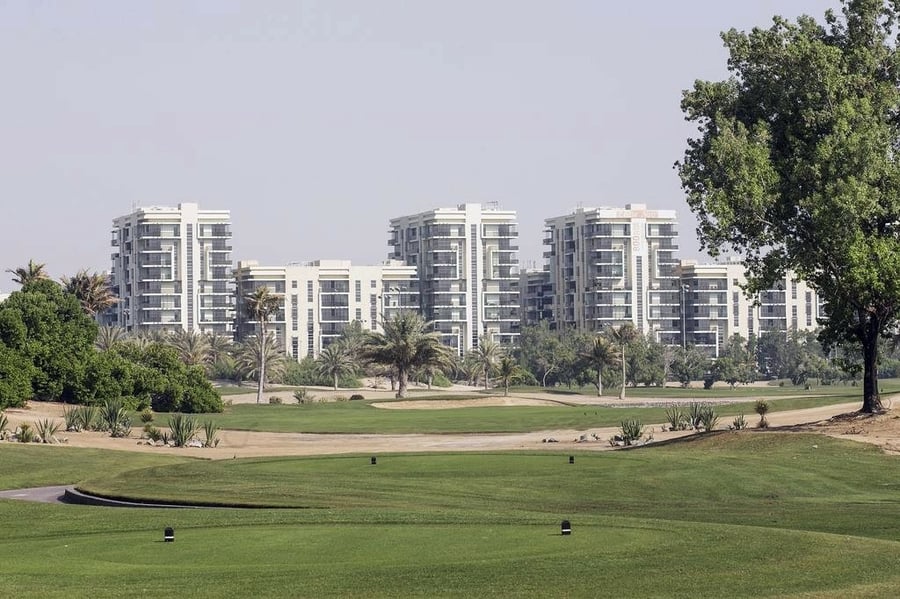
Few communities in the region have been shaped by such a clear vision as Masdar City. Conceived as one of the world's most ambitious sustainable urban developments, the district has evolved into a thriving residential and innovation hub that combines contemporary living with environmental design principles.
Located adjacent to Zayed International Airport and within easy reach of Yas Island and central Abu Dhabi, Masdar City offers a distinctly different residential proposition from the emirate's waterfront communities. Walkability, energy efficiency and public spaces play a central role in daily life, while a growing collection of residential developments, educational institutions and technology companies continue to transform the district into one of Abu Dhabi's fastest-growing neighbourhoods. For investors in particular, Masdar has become one of the capital's most active off-plan markets.
Location Map
Masdar City occupies a strategic position in eastern Abu Dhabi, directly adjacent to Zayed International Airport and close to Yas Island, Khalifa City and Al Raha Beach. The E10 and E12 highways provide convenient access to central Abu Dhabi and Dubai.
Closest transport
- Zayed International Airport is approximately 5 minutes away.
- Direct access to Sheikh Zayed Bin Sultan Street (E10) and the Abu Dhabi–Dubai highway.
Closest schools
- Ryan International School Masdar City
- Raha International School, Khalifa City Campus
Closest hospitals
- HealthPlus Family Clinic, Masdar City
- Burjeel Medical Centre, Al Zeina
The Neighbours
Masdar City attracts a younger and more internationally diverse demographic than many of Abu Dhabi's established residential communities. Professionals working in technology, aviation, renewable energy and research sectors are particularly well represented, alongside entrepreneurs and academics connected to the area's innovation ecosystem.
The community has also become increasingly popular with investors and first-time buyers due to its competitive pricing and continuous pipeline of new developments. Families are gradually becoming a larger part of the resident population as schools, retail and community facilities continue to expand.
Unlike Saadiyat Island or Al Raha Beach, residents here tend to prioritise connectivity, modern infrastructure and sustainability as much as traditional lifestyle considerations.
What to Expect
Life in Masdar City feels noticeably different from much of the UAE. Streets are designed around pedestrians rather than vehicles, buildings incorporate shading and passive cooling principles, and public spaces encourage walking and cycling throughout the year.
Sustainability is not simply a marketing concept here but a defining part of the urban environment. Solar panels, energy-efficient buildings and environmentally conscious design principles are integrated throughout the district, creating a neighbourhood that feels more aligned with European and Asian innovation cities than traditional Gulf masterplans.
The community has evolved significantly from its origins as a research and technology campus. Today, supermarkets, cafés, restaurants and fitness facilities support an increasingly established residential population, while nearby Yas Island and Al Raha Beach provide access to additional leisure and entertainment options.
Connectivity remains one of Masdar City's greatest strengths. Residents can reach the airport within minutes, Yas Island in less than ten minutes and Downtown Abu Dhabi in approximately twenty-five minutes. For professionals who travel frequently or commute between Abu Dhabi and Dubai, few locations offer such convenience.
From an investment perspective, Masdar has become one of Abu Dhabi's most active off-plan markets. The combination of relatively accessible entry prices, strong rental demand and continuous development activity has attracted both local and international investors looking beyond the emirate's traditional luxury districts.
What Not to Expect
Masdar City is not designed for buyers seeking beachfront living, large villas or established luxury neighbourhoods. While the community offers excellent connectivity and modern infrastructure, it lacks the prestige and lifestyle positioning associated with destinations such as Saadiyat Island or Ramhan Island. Its appeal lies in practicality, sustainability and long-term growth potential rather than exclusivity.
Architecture
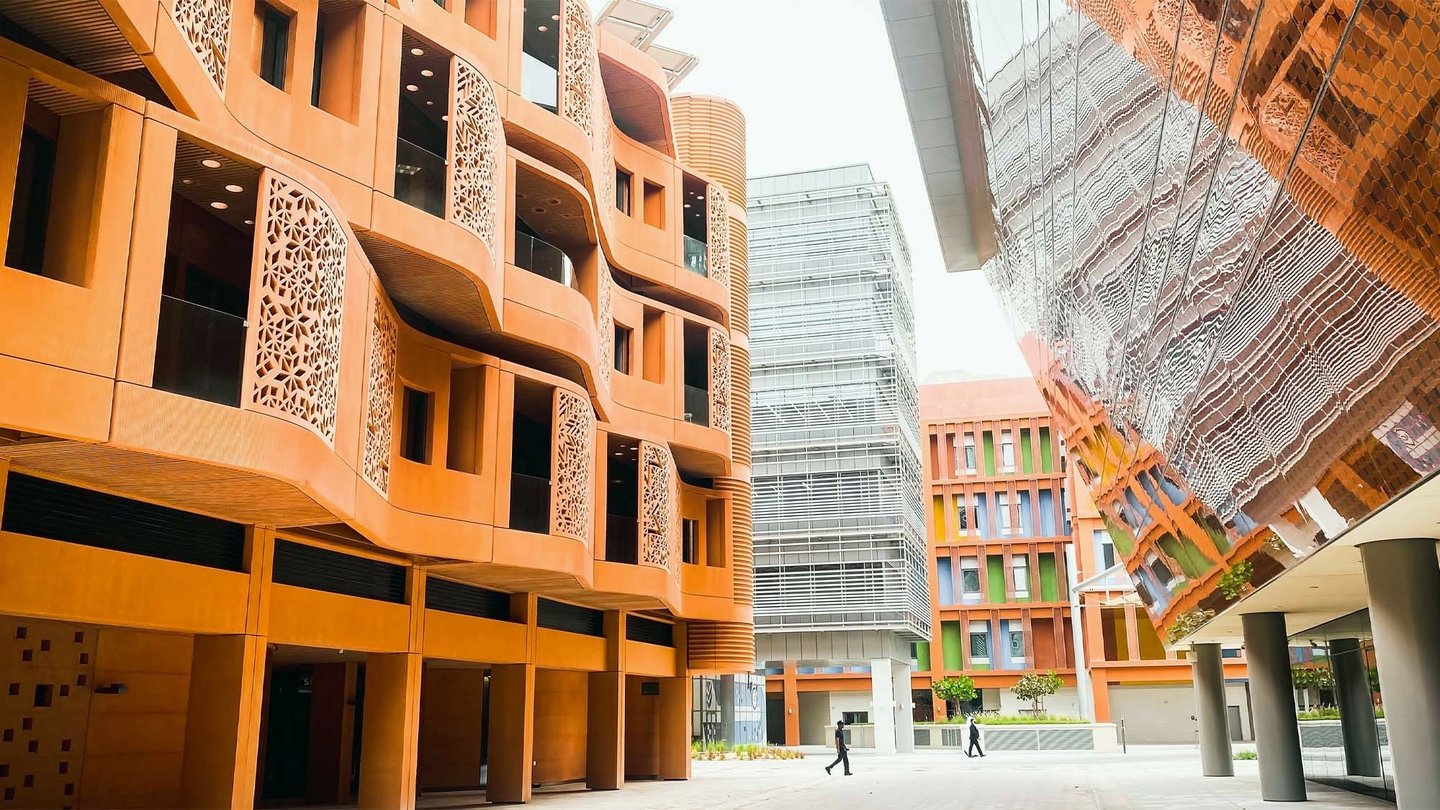
Architecture in Masdar City is heavily influenced by environmental performance and climate-responsive design. Buildings prioritise shading, natural ventilation and energy efficiency, resulting in an architectural language that feels both contemporary and distinctly regional.
The residential offering is dominated by apartments and mid-rise buildings, with a smaller number of townhouses and low-rise residential projects. Large balconies, shaded façades and communal green spaces are common features across many developments, reinforcing the district's emphasis on outdoor living and walkability.
Unlike the glass towers of Al Reem Island or the resort-inspired communities of Yas Island, Masdar's architecture embraces a more restrained and functional aesthetic. Traditional Arabic urban design principles are often reinterpreted through contemporary materials and technologies, creating buildings that respond directly to Abu Dhabi's climate.
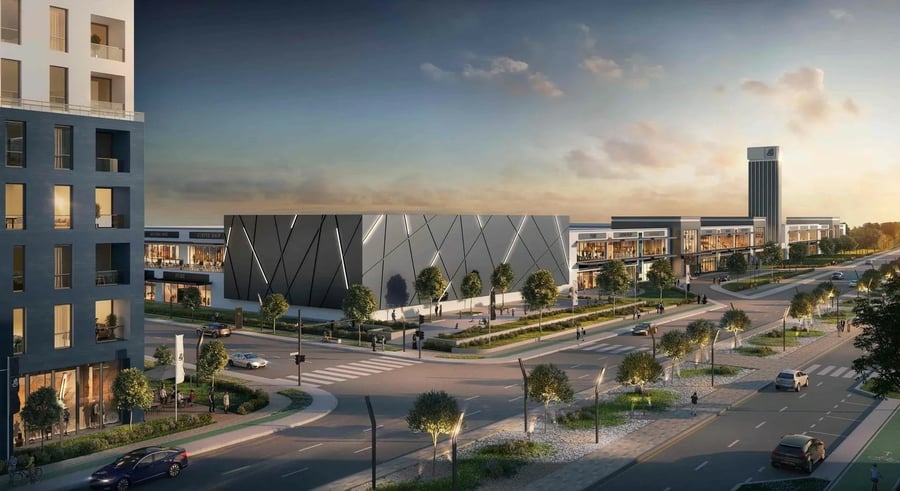
As one of Abu Dhabi's most active off-plan locations, several developments are currently shaping the district's future identity. Projects such as The Gate, Plaza by Reportage, Oasis Residences, Royal Park, Leonardo Residences and Gardenia Bay nearby are attracting both investors and end users seeking modern homes in a rapidly evolving community.
More than any other district in Abu Dhabi, Masdar City has been built around the idea that sustainability and urban living can coexist. That philosophy continues to define both its architecture and its appeal.