This site is protected by reCAPTCHA and the Google Privacy Policy and Terms of Service apply.
Design & Architecture
Zaha Hadid's Most Iconic Buildings in Dubai & Abu Dhabi
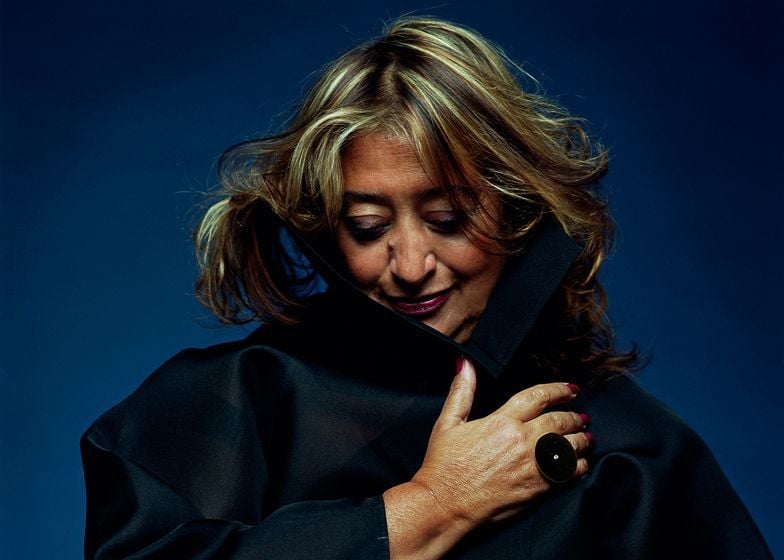
As a tribute to the legendary architect, we recount her contribution to the UAE's most iconic developments.
Words by Sophie McKinley in Design & Architecture · Apr 3rd, 2016
Few architects have influenced contemporary architecture as profoundly as Zaha Hadid. Celebrated for her fluid forms, bold geometry and visionary approach to design, the Iraqi-British architect transformed skylines across the world with buildings that challenged conventional engineering and redefined what modern architecture could achieve.
The UAE became one of the countries where her ideas found their boldest expression. As Dubai and Abu Dhabi emerged as global centres for architecture and innovation, Zaha Hadid was commissioned to design some of the region's most ambitious projects. While not all of them were realised, her completed buildings and visionary proposals continue to shape conversations around architecture in the Middle East.
For luxury property buyers, her work also represents something more. Buildings designed by world-renowned architects often become collectors' assets, combining architectural significance with limited supply and enduring international appeal. In Dubai, The Opus remains one of the few opportunities to own a residence conceived by one of the world's most celebrated architects.
Here's a closer look at Zaha Hadid's most iconic projects across Dubai and Abu Dhabi.
1. The Opus, Dubai
Among all of Zaha Hadid's projects in the UAE, The Opus is undoubtedly her most recognisable work in Dubai. Completed in 2020 for developer Omniyat, the mixed-use landmark sits in the heart of Business Bay, just minutes from Downtown Dubai and Burj Khalifa.
Rather than designing a conventional tower, Hadid conceived a perfect glass cube sculpted by an organic void carved through its centre. The opening creates the illusion that part of the building has been eroded away, producing one of Dubai's most distinctive architectural silhouettes.
The engineering behind the project was as remarkable as its appearance. The curved void required complex structural solutions and bespoke glazing, allowing the flowing form to appear almost weightless despite the building's scale.
Inside, The Opus houses luxury residences, Grade A office space, restaurants, retail outlets and the internationally acclaimed ME Dubai Hotel, whose interiors were also designed by Zaha Hadid herself. It remains the only hotel where she designed both the exterior architecture and the interior spaces.
2. Sheikh Zayed Bridge, Abu Dhabi
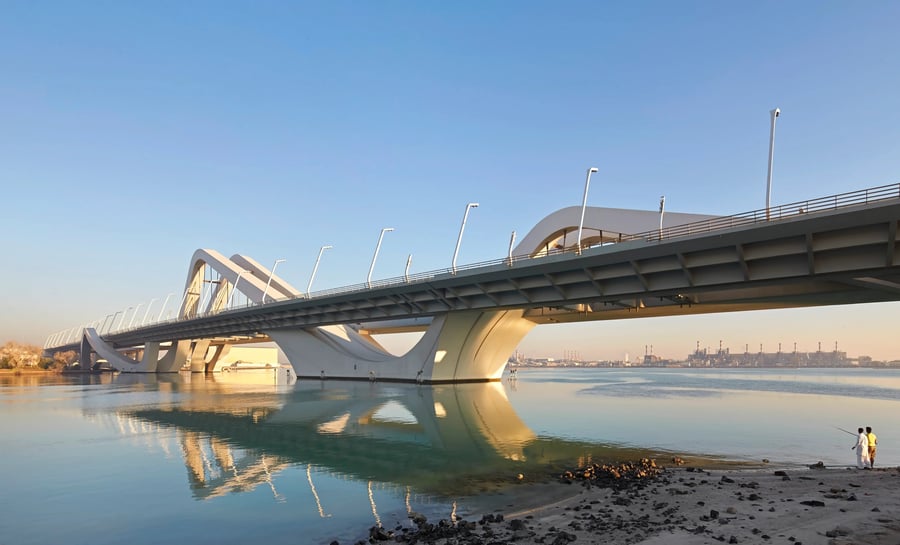
Completed in 2010, Sheikh Zayed Bridge is one of Abu Dhabi's defining landmarks and among Zaha Hadid's most celebrated infrastructure projects.
Stretching approximately 842 metres across the Maqta Channel, the bridge links Abu Dhabi Island with the mainland while serving as one of the capital's primary transport routes.
Rather than following a traditional bridge design, Hadid drew inspiration from the rolling dunes of the Arabian desert. Three sweeping steel arches rise and fall across the crossing, creating a sculptural form that appears to flow across the water.
The bridge demonstrates Hadid's ability to transform infrastructure into architecture. What could have been a purely functional structure instead became one of Abu Dhabi's most recognisable landmarks and an enduring symbol of the emirate's modern identity.
Although not a residential project, Sheikh Zayed Bridge helped establish Zaha Hadid's reputation across the UAE and paved the way for several subsequent commissions.
3. Signature Towers, Dubai (Unbuilt)
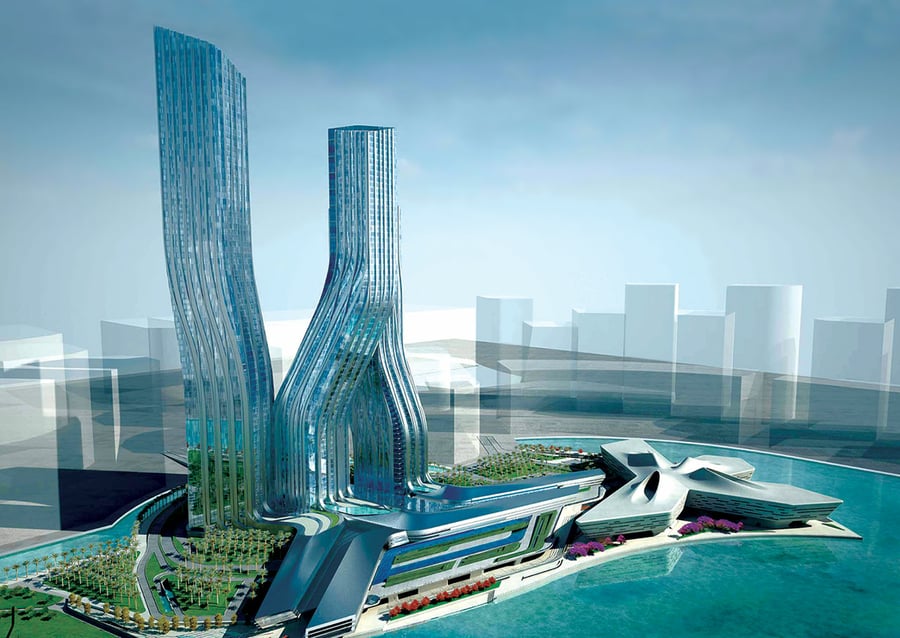
Few unbuilt projects have generated as much interest as Signature Towers.
Planned for Business Bay, the development was envisioned as three interconnected towers, each with its own distinctive geometry yet unified through a shared podium and public realm.
The mixed-use project would have combined luxury residences, offices, hotels, retail and leisure facilities within one of Dubai's fastest-growing districts. Rather than repeating identical tower forms, Hadid designed three sculptural buildings that appeared to evolve independently while maintaining a cohesive architectural language.
Had the project proceeded, Signature Towers would almost certainly have become another defining feature of Dubai's skyline and one of the city's most prestigious residential addresses.
Although never realised, the proposal continues to be referenced as one of Zaha Hadid's most ambitious concepts for Dubai and remains an important chapter in the city's architectural history.
4. Dubai Financial Market Headquarters (Unbuilt)
Among Zaha Hadid's most visionary proposals for Dubai was the Dubai Financial Market Headquarters, a concept that sought to redefine the appearance of the modern office tower.
Designed for one of the region's leading financial institutions, the building departed from the rectilinear forms typically associated with commercial skyscrapers. Instead, Hadid proposed a fluid, twisting structure whose geometry appeared to evolve as it rose, creating a dynamic silhouette that reflected the movement and energy of Dubai's rapidly growing financial sector.
The design integrated large open floorplates, naturally lit workspaces and public areas intended to encourage interaction rather than separation. Although the project never moved beyond the proposal stage, it demonstrated how architecture could become a defining part of a company's identity rather than simply housing its operations.
Today, the Dubai Financial Market Headquarters remains one of the most recognisable unrealised concepts in Zaha Hadid's portfolio and illustrates the ambitious architectural vision that characterised Dubai during its period of rapid expansion.
5. Abu Dhabi Performing Arts Centre (Unbuilt)
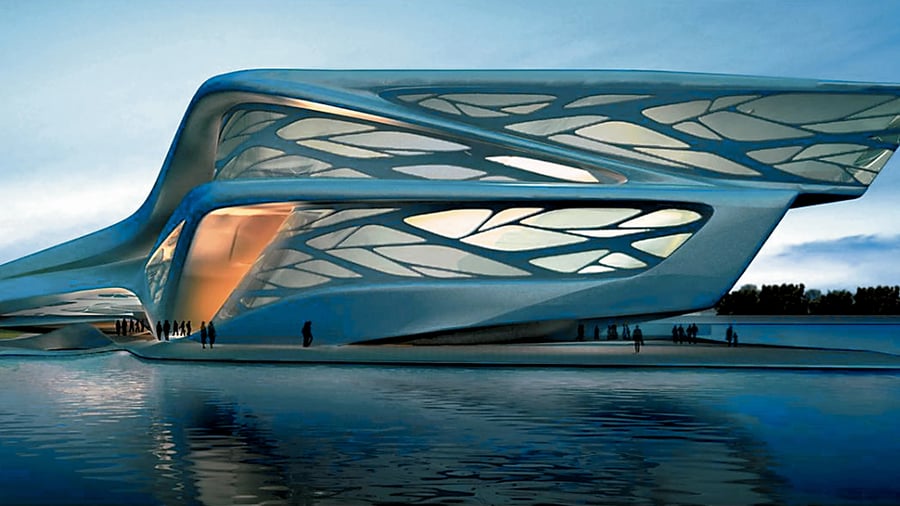
Proposed as the cultural centrepiece of Saadiyat Island, the Abu Dhabi Performing Arts Centre was one of the most ambitious performing arts venues ever conceived for the Middle East.
Rather than designing a conventional theatre complex, Zaha Hadid imagined a sculptural building inspired by the organic growth of branches and natural forms. The structure was planned to house multiple performance venues, including theatres, opera spaces and concert halls, all connected by flowing public areas that encouraged visitors to move naturally through the building.
The project complemented Saadiyat Island's broader vision of becoming one of the world's leading cultural destinations, alongside institutions such as the Louvre Abu Dhabi and the Guggenheim Abu Dhabi.
Although the Performing Arts Centre was never realised, it remains one of Zaha Hadid's most celebrated conceptual works and is frequently cited as an example of her ability to merge architecture, engineering and artistic expression.
Owning a Home Designed by a World-Renowned Architect
For many buyers, purchasing a luxury home is about more than location or amenities. Properties designed by internationally recognised architects often carry an additional level of prestige, becoming highly sought-after due to their rarity, design quality and architectural significance.
The Opus exemplifies this appeal. As one of the few residential developments personally designed by Zaha Hadid, it offers buyers the opportunity to own a home within a building that has become an architectural landmark. Its sculptural form, limited number of residences and prime Business Bay location have helped establish it as one of Dubai's most distinctive addresses.
Dubai continues to attract some of the world's leading architects, with landmark developments by firms such as Foster + Partners, Tadao Ando, Herzog & de Meuron and others contributing to an increasingly diverse collection of architect-designed residences across the city.
FAQ
-
Zaha Hadid's best-known completed building in Dubai is The Opus in Business Bay, a mixed-use landmark that includes luxury residences, offices and the ME Dubai Hotel. She also designed several notable proposals for the city, including the Signature Towers and the Dubai Financial Market Headquarters, although these were never built.
-
The Opus in Dubai and Sheikh Zayed Bridge in Abu Dhabi are widely regarded as Zaha Hadid's two most iconic completed projects in the UAE. Both showcase her signature flowing architectural style and have become landmarks in their respective cities.
-
Yes. The Opus includes a limited collection of luxury residences, making it one of the few opportunities to own a home designed by Zaha Hadid. The development combines residential apartments with offices, restaurants and the ME Dubai Hotel.
-
Yes. The Opus was personally designed by Zaha Hadid and completed by Zaha Hadid Architects after her passing. It is considered one of her final and most celebrated architectural works.
-
Several of Zaha Hadid's most ambitious UAE proposals were never realised, including the Signature Towers in Business Bay, the Dubai Financial Market Headquarters and the Abu Dhabi Performing Arts Centre on Saadiyat Island.
-
The Opus is renowned for its sculptural cube-like form featuring a dramatic void carved through its centre. The building combines innovative engineering with mixed-use functionality and remains one of Dubai's most recognisable examples of contemporary architecture.