This site is protected by reCAPTCHA and the Google Privacy Policy and Terms of Service apply.
The Market
Dubai Leads the World's Branded Residence Market
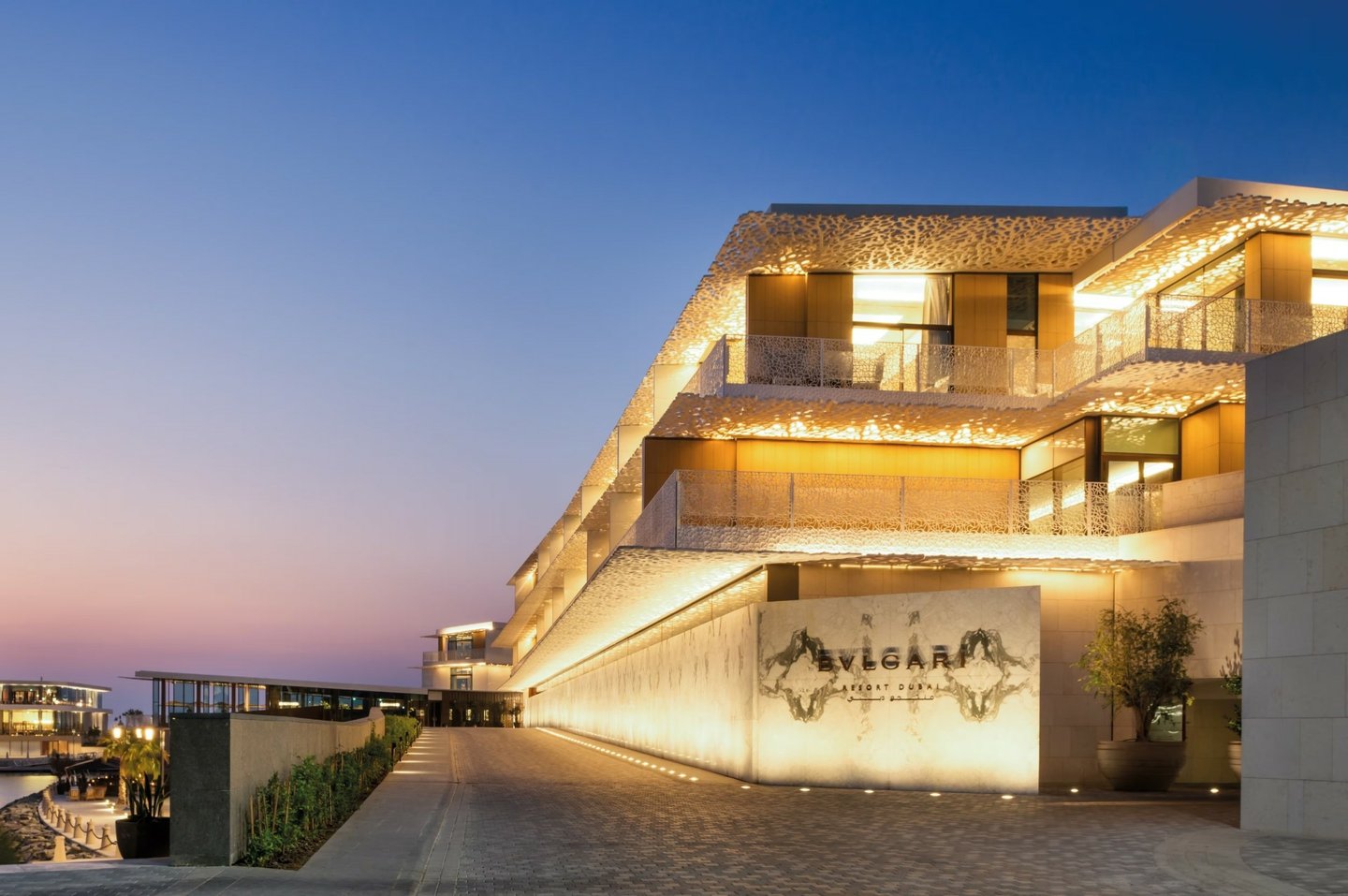
Dubai now has 175 branded residence schemes, reinforcing its position at the centre of the global luxury property market as hospitality, fashion and lifestyle brands expand across the sector.
Words by Sophie McKinley in The Market · Sep 29th, 2026
Dubai remains the world's largest market for branded residences, with 175 schemes either completed or in the pipeline, according to Knight Frank's The Residence Report 2026-27. The figure places the emirate at more than twice the scale of Miami and reinforces Dubai's position at the centre of the global luxury residential market.
Of the 175 projects, 68 are already live, and 107 are in the pipeline. The UAE as a whole accounts for 19% of the global branded residences development pipeline, with Abu Dhabi and Ras Al Khaimah also emerging as significant markets.
The numbers highlight how far branded residences have evolved in Dubai. What was once largely associated with hotel-operated apartments has become a defining segment of the city's luxury property market, encompassing hospitality, fashion, automotive, and lifestyle brands.
Dubai Has Built a Market Around Branded Living
Dubai's lead is significant. Miami, the second-largest city market, has 73 branded residence schemes, while London has 30. Dubai therefore has more than twice as many schemes as Miami and almost six times as many as London.
The difference is not simply the number of projects being developed. Dubai has created an environment in which branded residences have become a natural part of the city's luxury residential landscape.
For international buyers, the concept can offer a familiar level of service and design in a market where many purchasers are buying from overseas. For developers, working with an established global brand provides another way to differentiate a project in an increasingly competitive luxury market.
That combination has helped branded residences move from a niche product into a major part of Dubai's new-build residential supply.
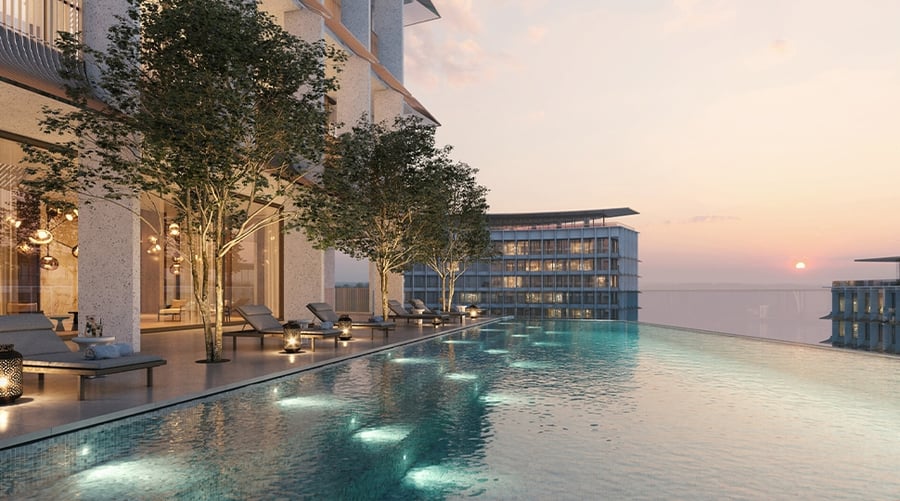
DIFC, Dubai
Non-Hotel Brands Are Becoming More Important
The definition of a branded residence is also changing.
Hotel groups continue to dominate the global market, with Marriott, Accor, Hilton, Four Seasons, Banyan Group and IHG together accounting for more than 40% of supply. However, non-hotel brands are becoming an increasingly important part of the market, particularly in Dubai.
Non-hotel brands already account for 42% of branded residence schemes in Dubai.
Fashion and automotive names including Elie Saab, Armani, Missoni, Tonino Lamborghini and Aston Martin are among the brands expanding into residential development globally, reflecting a broader shift towards lifestyle-led projects.
For Dubai, this has widened the appeal of branded residences beyond traditional hotel services.
The brand can now influence a project's architecture, interiors, amenities, and overall identity, creating a more specific residential proposition rather than simply adding a hospitality component.
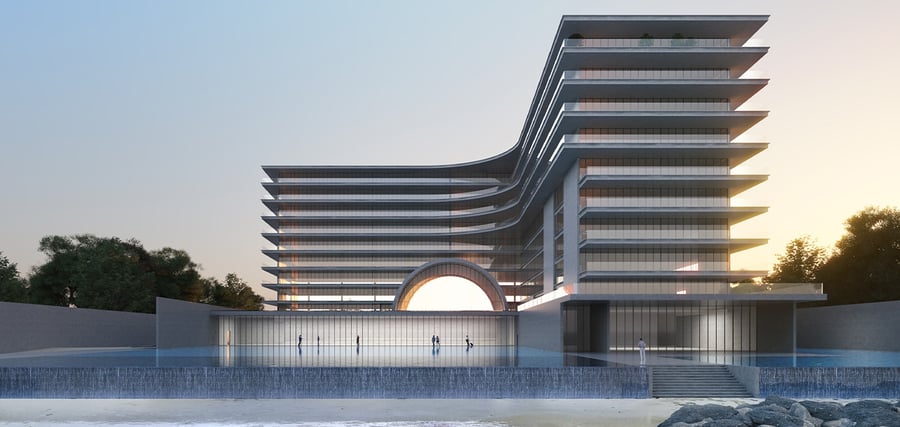
Palm Jumeirah, Dubai
The UAE's Branded Residence Market Is Expanding
Dubai may be leading the market, but the growth of branded residences is becoming a broader UAE story.
Abu Dhabi currently has 24 schemes, 19 of which are still in the pipeline, placing it eighth globally. Ras Al Khaimah's Al Marjan Island has 23 schemes, with 52% of them associated with non-hotel brands.
The wider Middle East accounts for 20% of all live and pipeline branded residence projects globally and 25% of projects still in the pipeline, making it the sector's largest growth region.
The different emirates are also developing distinct propositions. Abu Dhabi's growth is linked to its expanding role as a global wealth and financial centre, while Ras Al Khaimah is building its branded residential market around tourism and improving international connectivity.
For Dubai, this means its dominance is taking place within a region that is itself becoming increasingly important to the global branded residences sector.
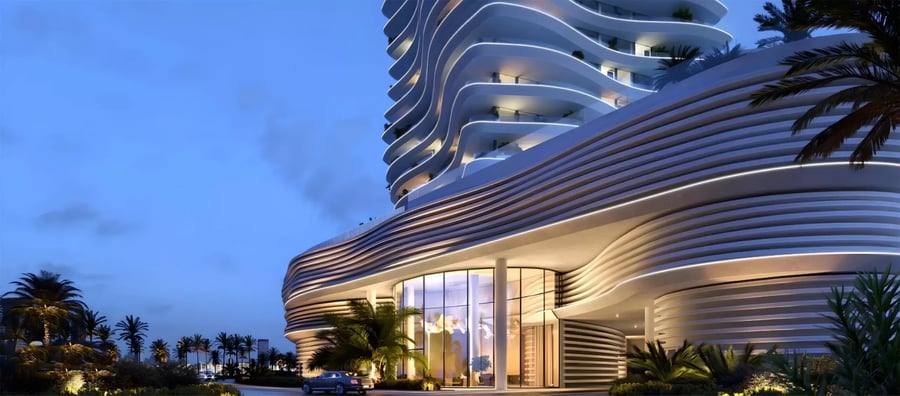
Al Reem Island, Abu Dhabi
LUXHABITAT Market Insight
Dubai's position as the world's branded residence capital reflects the depth of its luxury residential market, but the size of the pipeline also changes the way buyers approach these properties.
At LUXHABITAT, we see branded residences as increasingly differentiated by more than the name attached to the development. Location, architecture, privacy, service, amenities and the overall lifestyle proposition can all play an important role in how a residence stands out.
With 175 schemes now live or in development, buyers have more choice than ever within the category. That makes the underlying residential proposition increasingly important.
The continued growth of non-hotel brands is also expanding what branded living means in Dubai. Rather than following a single model, the market is becoming more diverse, with developers using hospitality, fashion, automotive and lifestyle partnerships to create increasingly specific residential concepts.
FAQ
-
According to Knight Frank's The Residence Report 2026-27, Dubai has 175 branded residence schemes, including 68 live projects and 107 in the pipeline.
-
Dubai has developed a large and diverse branded residential market supported by its international buyer base, established luxury hospitality sector and strong pipeline of new residential projects. The emirate currently has more than twice as many branded residence schemes as Miami, the second-largest city market.
-
Beyond the brand itself, buyers can consider the location, quality of the residence, architecture, privacy, services, amenities and the overall lifestyle proposition offered by the development. Knight Frank notes that buyers are increasingly looking beyond the name on the building when evaluating branded residences.