This site is protected by reCAPTCHA and the Google Privacy Policy and Terms of Service apply.
The Market
Top 10 Best Places to Invest in Real Estate in the World (2026)
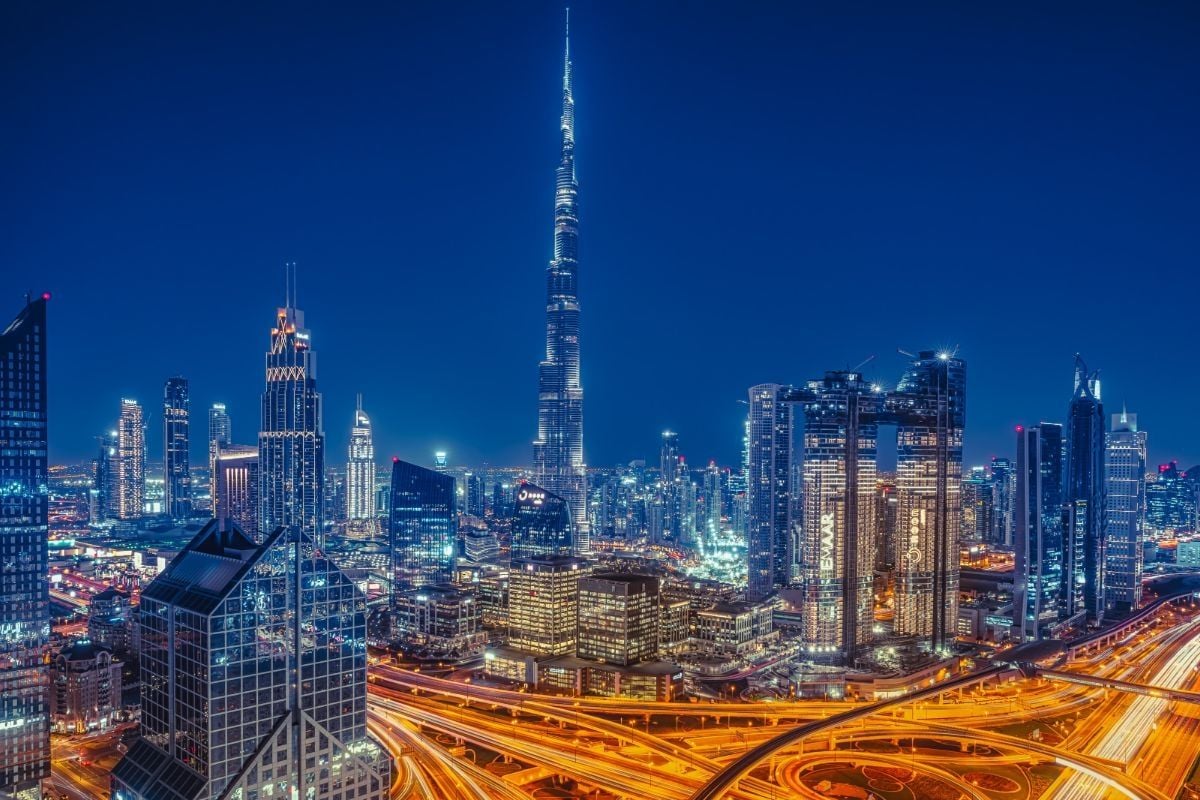
If you're thinking of investing in international property, we have the right list for you.
Words by Dyuthi Prakash in The Market · Nov 17th, 2019
Real estate has long been one of the most reliable ways to preserve and grow wealth, but not every market offers the same opportunities. While some countries offer stable long-term capital appreciation, others stand out for attractive rental yields, favourable tax regimes, or rapidly growing economies. Choosing where to invest depends on your objectives, whether that's generating passive income, protecting wealth, securing residency or benefiting from future price growth.
In recent years, shifting migration patterns, government incentives and infrastructure investment have reshaped global property markets. Cities that combine economic growth with strong international demand have consistently outperformed more mature markets, while emerging destinations continue to attract investors looking for higher returns.
This guide ranks the 10 best places to invest in real estate in 2026, considering factors such as market stability, rental yields, foreign ownership regulations, luxury market performance and long-term growth potential.
1. Dubai, United Arab Emirates
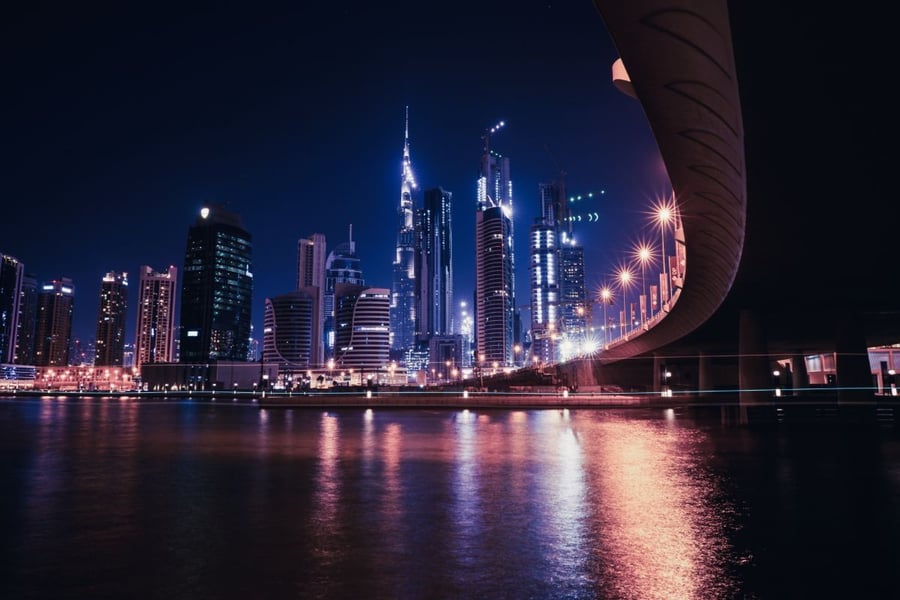
Dubai continues to strengthen its position as one of the world's most attractive real estate investment destinations. Over the past few years, the emirate has recorded consecutive years of record-breaking transaction volumes, rising property values and growing international demand, supported by one of the fastest-growing populations among major global cities.
Unlike many mature property markets, Dubai combines strong capital appreciation with attractive rental yields. Investors can often achieve gross rental returns of between 5% and 8%, with some communities delivering even higher yields depending on property type and location. This balance of income and long-term growth remains relatively uncommon among established international markets.
One of Dubai's greatest advantages is its investor-friendly tax environment. There is no annual property tax, no capital gains tax for individual investors, and no inheritance tax, allowing owners to retain more of their investment returns. Combined with transparent ownership laws in designated freehold areas, this has helped attract buyers from Europe, Asia, North America and the Middle East.
Government initiatives have also reinforced Dubai's appeal. Long-term residency programmes such as the Golden Visa, continued infrastructure investment, the expansion of Dubai Metro and ongoing development of new master communities continue to support population growth and housing demand.
The luxury segment has been particularly impressive. Branded residences, waterfront developments and ultra-prime villas continue to attract high-net-worth individuals relocating to Dubai for business, lifestyle and tax advantages. Areas including Palm Jumeirah, Downtown Dubai, Dubai Hills Estate, Emirates Hills, Dubai Creek Harbour and Business Bay remain among the city's most sought-after residential locations.
Whether you're looking for rental income, wealth preservation or long-term capital appreciation, Dubai offers one of the most balanced investment opportunities available anywhere in the world.
2. London, United Kingdom
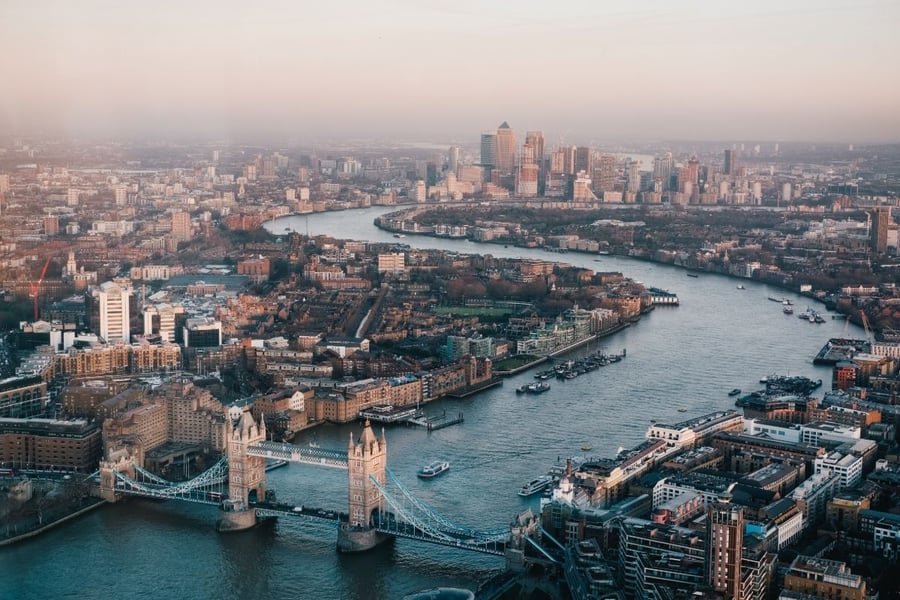
London has long been regarded as one of the world's safest real estate markets. Despite economic cycles and changing political conditions, the city continues to attract international investors seeking stability, liquidity and global prestige.
Prime Central London neighbourhoods such as Mayfair, Knightsbridge, Belgravia, Chelsea and Kensington remain among the most recognised residential addresses worldwide. These established districts have historically appealed to family offices, institutional investors and ultra-high-net-worth individuals looking to preserve wealth over the long term.
While rental yields are generally lower than in emerging markets, London's strength lies in its resilience. The city remains one of the world's leading financial centres, supported by world-class universities, international businesses and a diverse economy that continues to attract global talent.
The weakening of the pound in recent years has also created opportunities for overseas buyers using stronger currencies, making prime London property comparatively more attractive than in previous market cycles.
For investors prioritising long-term wealth preservation over immediate rental income, London remains one of the strongest property markets globally.
3. Singapore
Singapore consistently ranks among the world's most stable real estate markets thanks to its strong economy, transparent legal system and limited land supply. As one of Asia's leading financial centres, the city-state continues to attract multinational companies, entrepreneurs and wealthy individuals from across the region.
Unlike many rapidly expanding cities, Singapore's limited developable land naturally constrains housing supply. This scarcity has historically supported long-term property values, particularly in prime residential districts.
The government maintains careful oversight of the housing market through cooling measures and buyer regulations designed to reduce speculation. While these policies may limit short-term gains, they contribute to long-term market stability and reduce volatility.
Luxury developments around Marina Bay, Orchard Road and Sentosa Cove remain highly desirable among international buyers seeking security, quality infrastructure and exceptional urban living.
Although transaction costs and taxes for foreign buyers are relatively high, Singapore continues to be regarded as one of Asia's safest locations for long-term real estate investment.
4. Miami, United States
Miami has evolved into one of the world's fastest-growing luxury property markets. Strong domestic migration, international investment and a thriving financial and technology sector have transformed the city into a global destination for both primary residences and second homes.
The city's appeal extends well beyond its beaches. Florida's absence of state income tax, combined with year-round sunshine and excellent international connectivity, continues to attract buyers from Latin America, Europe and increasingly the northeastern United States.
Luxury waterfront condominiums and branded residences remain particularly popular in areas such as Brickell, Miami Beach, Sunny Isles Beach, Bal Harbour and Fisher Island. Limited waterfront supply has supported long-term value growth while maintaining strong international demand.
Miami's growing business ecosystem has also helped diversify demand beyond lifestyle buyers. Major financial institutions, technology firms and investment companies have expanded their presence in recent years, bringing new residents and increasing demand for high-quality residential property.
For investors seeking a combination of lifestyle, international appeal and long-term growth, Miami continues to be one of North America's most compelling real estate markets.
5. Spain

Foreign buyers have started to flock to Spain’s real estate market after a decade-long slump, which is primarily due to the permanent residency options offered in the EU on purchases of 500,000 euros and above. Some of the top investment destinations for foreign nationals are the Costa del Sol around Malaga, Marbella, the Canary Islands, the Balearic Islands and the Valencia/Alicante region, with more than 30% of total transactions.
In addition, foreign investors are attracted to the country’s culture, the Mediterranean Sea, stunning beaches, and relaxed lifestyle. Compared to some other European countries, Spain's real estate market can offer relatively affordable property prices, making it accessible for a wide range of investors. This certainly makes Spain an endearing location to invest in a potential residential property.
In addition, the opportunity to obtain a European passport makes it an attractive option for international investors.
6. Turkey

Investing in Turkish property comes with a plethora of benefits, including citizenship, strong rental yield and the ease of securing one. The expanding middle class in Turkey has increased the demand for residential properties and contributed to a stable rental market.
Following the revision of the citizenship law, investing in a US$250,000 property can now help you secure citizenship, while previously it was US$1,000,000. In addition to this, several updates to the procedures allow foreigners to buy property within just 24 hours, all under strict regulations. You can now afford a European lifestyle while paying just a fraction of what it would cost in Spain or Portugal, thanks to Turkey’s affordable living costs.
7. France

It is common knowledge that France has one of the most foreigner-friendly investments in Europe, since there are no restrictions on foreign ownership. Apartments are mostly held in two types of freehold - co-ownership and leaseholds, for up to 99 years, similar to Dubai. Furthermore, housing in France has been on a steady rise for a few decades now. From 1997 to 2007, housing prices rose 150% and ever since, owning French property is one of the surest ways to amass long-term wealth.
France has a stable and mature real estate market, which provides a sense of security for investors. It offers an excellent quality of life, attracting both tourists and residents. The appeal of its culture, cuisine, and landscapes contributes to the demand for properties. In major cities like Paris, Lyon, and Nice, there is a strong demand for rental properties, especially in popular neighborhoods and near universities and business districts.
8. Thailand
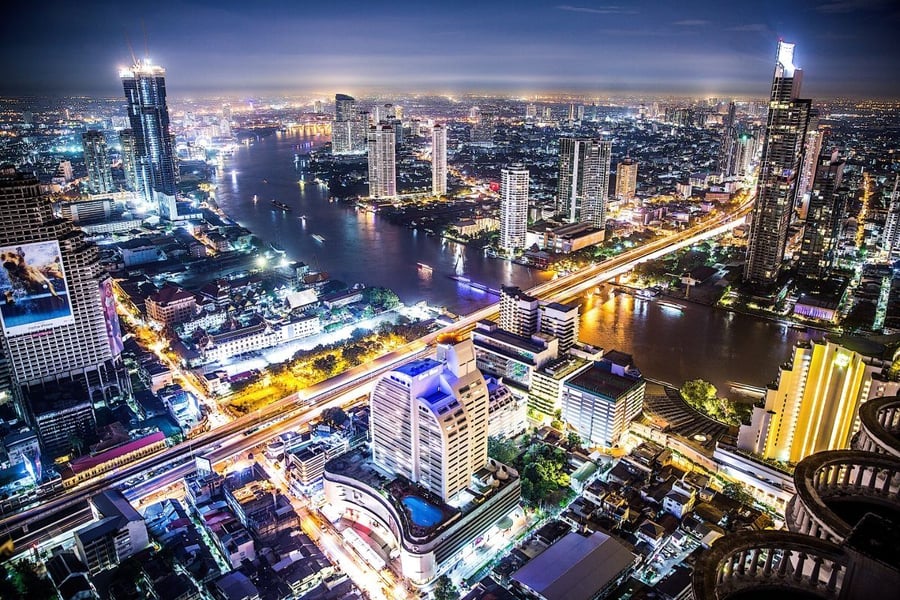
According to a survey by Mastercard Inc., Bangkok was the world’s most visited city for the fourth consecutive year in 2018, ahead of Paris and London. This is certainly good news for any would-be property buyer, as it means steady rental yields due to the city’s expanding tourism. There are a few restrictions placed on foreigners who intend to own property - they can only own land leasehold and own 49% of a condominium, while a Thai national owns the rest. Despite the downsides, condo properties can be easily liquefied, and foreigners are offered a simple exit strategy, making it flexible and appealing for foreign buyers.
Another option to invest in is the island of Phuket, a very prominent retirement destination for investors worldwide due to the high quality of life and overall low living costs.
9. Portugal

With its winding streets and beautiful coastlines, Portugal ticks all the boxes whether you prefer urban living or a rural retreat. Compared to some other European countries, Portugal offers relatively affordable property prices, making it accessible for a wide range of investors. The property market in cities like Lisbon and Porto makes it very appealing for foreigners to invest, as there are no major requirements or much paperwork needed. If you buy a home for over 500,000 euros, you are also entitled to a “golden visa” which allows upto 5 years residency. This makes it very enticing for foreign nationals who intend to retire in Europe to spend their formative years.
10. Sidney, Australia
Sydney consistently ranks among the world's most liveable cities and remains Australia's premier residential property market. Supported by a stable economy, high quality of life and limited supply of housing in desirable coastal locations, the city continues to attract both domestic and international buyers.
Neighbourhoods such as Point Piper, Vaucluse, Mosman, Double Bay and the Eastern Suburbs are home to some of Australia's most valuable residential real estate, offering harbour views, waterfront homes and exceptional lifestyle amenities.
Population growth, immigration and ongoing infrastructure investment continue to support long-term housing demand across Sydney. While foreign ownership rules can be more restrictive than in some markets, the city's economic stability and consistent demand make it an attractive option for investors seeking capital preservation.
Sydney may not offer the rental yields seen in faster-growing markets such as Dubai, but its resilience and limited supply have historically supported long-term property values.
What makes a great property investment destination?
When analysing a market, it's important to look beyond headline prices. Successful real estate investment is influenced by a combination of economic fundamentals and local market conditions.
Some of the most important factors include:
- Capital appreciation: Markets with sustained population and economic growth tend to offer stronger long-term price appreciation.
- Rental yields: High rental demand can generate consistent income while offsetting ownership costs.
- Economic stability: Diversified economies are generally more resilient during periods of market uncertainty.
- Foreign ownership rules: Transparent regulations and investor-friendly policies make purchasing property easier for international buyers.
- Tax environment: Property taxes, capital gains taxes and transaction costs vary significantly between countries.
- Infrastructure investment: New transport links, business districts and lifestyle amenities often drive future demand.
- Liquidity: Active property markets generally make it easier to buy and sell real estate.
- Quality of life: Safety, education, healthcare and lifestyle continue to attract both residents and overseas investors.
FAQ
-
The best country to invest in real estate depends on your investment goals. Dubai stands out for its combination of strong rental yields, tax advantages, international demand and long-term growth potential. Other leading destinations include the United Kingdom, Singapore, Spain, Portugal, the United States and Australia, each offering different strengths such as wealth preservation, stable appreciation or lifestyle investment opportunities.
-
Dubai ranks among the world's leading property investment destinations thanks to its strong economic growth, investor-friendly regulations, no annual property tax, attractive rental yields and thriving luxury real estate market. Other top cities include London, Singapore, Miami, Madrid, Lisbon, Paris and Sydney.
-
Rental yields vary by city and property type, but Dubai consistently ranks among the highest-performing mature real estate markets, with many residential properties generating gross rental yields between 5% and 8%. Emerging markets may offer higher returns in some locations, although they often involve greater investment risk.
-
Dubai offers one of the most balanced real estate investment opportunities available today. Strong population growth, expanding infrastructure, favourable tax policies, full freehold ownership in designated areas and continued international demand have helped establish the emirate as one of the world's leading property markets for both investors and end users.
-
Many countries welcome international property buyers, although ownership rules vary. Dubai allows foreigners to purchase freehold property in designated areas, while countries such as the United Kingdom, Portugal, Spain, France, Australia, Thailand, Singapore and the United States each have their own regulations regarding foreign ownership, taxation and financing.
-
Residential property is often the preferred choice for international investors due to its broader buyer pool, relatively straightforward management and consistent rental demand. Commercial real estate can offer attractive returns but generally requires greater capital, specialist knowledge and longer investment horizons.
-
Before purchasing property abroad, investors should consider local ownership laws, taxation, financing options, rental demand, expected capital appreciation, political and economic stability, currency exposure and ongoing ownership costs. Working with experienced local advisors can also help navigate market-specific regulations.
-
Markets benefiting from strong population growth, infrastructure investment and international demand are generally well positioned for future growth. Dubai continues to attract global investors thanks to its expanding economy and favourable investment environment, while cities such as Madrid, Miami, Lisbon and Singapore also demonstrate strong long-term fundamentals.
-
Luxury real estate has historically appealed to investors seeking long-term wealth preservation, exclusive locations and limited supply. While market cycles can affect prices, prime properties in globally recognised destinations often benefit from resilient demand and strong long-term value appreciation.
-
Start by defining your investment objectives. If your priority is rental income, focus on markets with strong yields and tenant demand. If long-term capital appreciation is more important, consider established global cities with limited housing supply and stable economies. Taxation, foreign ownership rules, lifestyle, infrastructure and currency risk should also form part of your decision-making process.